 Free Delivery in Batumi


Blog
From the workshop: materials, care, gifts and the stories behind the pieces.
-
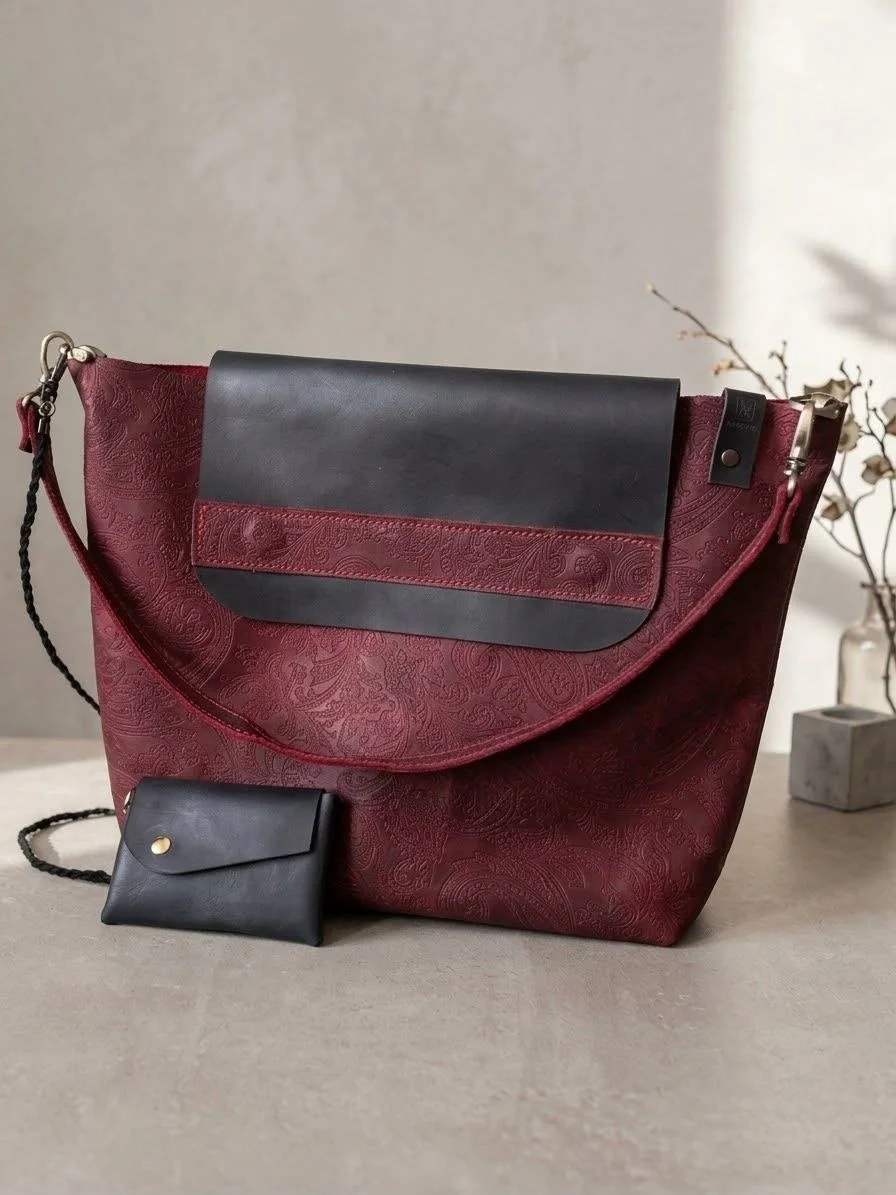
Leather textures: croc, embossed, pull-up
Texture is the character of a leather's surface — what your fingers notice first. Some textures are natural, some are pressed in, some come from finishing. In all three cases the price is set not by the pattern but by the leather underneath it.
What texture actually means
One word covers three different things. Natural grain — the hide's own lines and pores. A stamped relief — a pattern pressed in from a plate. And a finished surface, where wax, oil or pigment change how the leather looks. They can look alike on a shelf, but they behave differently in use.
Croc: real and stamped
On genuine crocodile, the scales change across the body: small and square along the belly, large and elongated on the sides, with visible transitions between them. A single piece takes several hides, which is why the price is high. Trade in these skins is governed by international rules, and a serious supplier follows them.
The crocodile pattern on ordinary leather is pressed in from a plate. The pattern is identical and repeats — which is exactly why comparing two items is worth it: in natural hide the same scale never appears twice.
Embossing
Embossing is done with a heated press: a plate is pressed onto the leather and the relief stays. That is how pebbled, ostrich, crocodile and fine crosshatch surfaces are made.
Embossing conceals flaws in the surface. So a deep relief is often pressed onto middling leather, while a light, shallow texture demands a better base — everything shows on it. Embossing is not a fault in itself; just know what you are paying for.
Pull-up
Pull-up leather is stuffed with waxes and oils during tanning. Bend it or stretch it and the fibres separate, so the surface lightens; let go and the colour slowly returns. The name comes from that pull.
A scratch shows clearly on this leather, but it often rubs away with a finger or a soft cloth until barely visible. For a daily bag or a belt that is a useful trait. In exchange, pull-up reveals everything — which is why makers pick cleaner hides for it.
Texture and price
Price comes from the base, not the pattern. Thick full grain with a light finish costs more than split with a deep relief pressed into it. So "is this real leather?" gets you very little; better to ask what type of leather sits under the surface.
How to choose
A deep relief collects dust and needs cleaning more often. Pull-up is easy to care for but asks you to accept that the colour moves. A smooth, open surface ages most beautifully and demands the most attention.
Choose for your own week: if the piece lives in your hands and you do not mind it changing over time, pull-up is the right answer.
See also
-
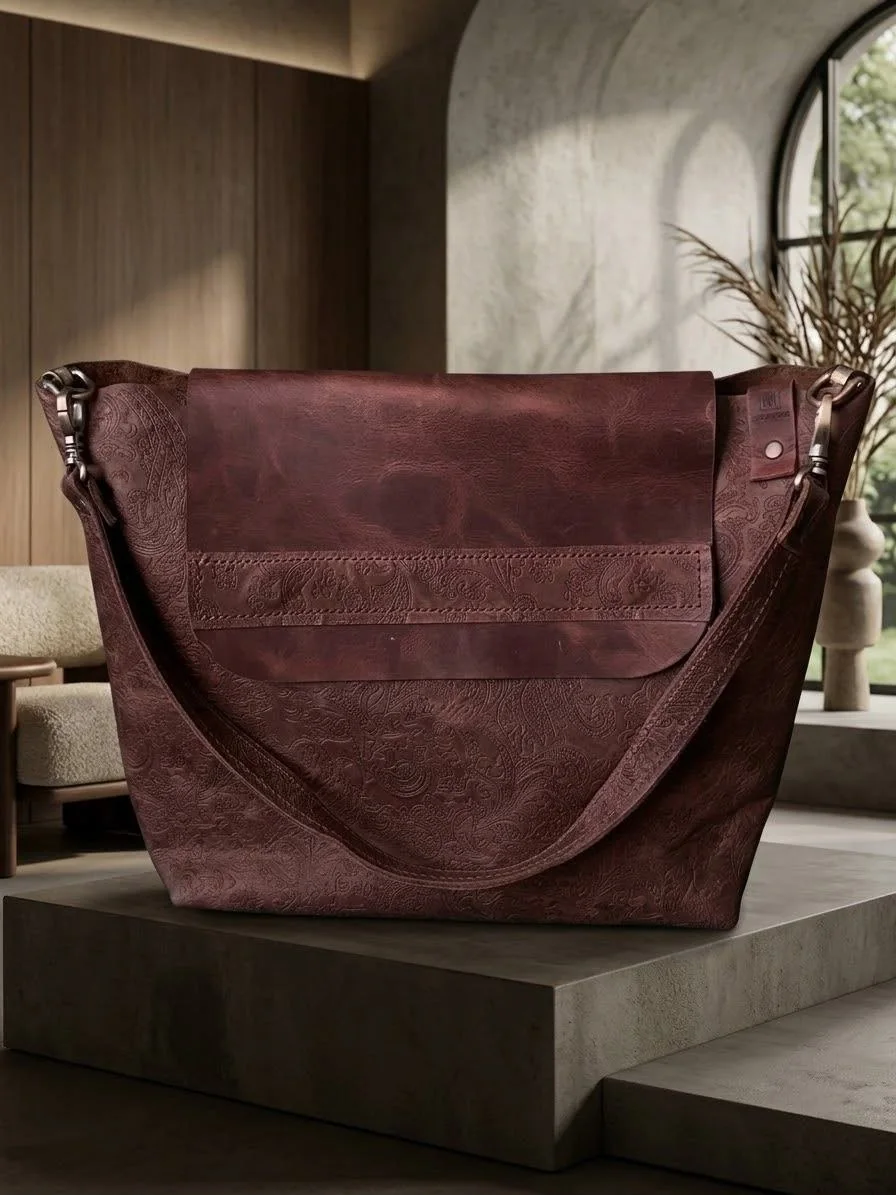
What is aniline leather
Aniline leather is the most honest form of natural leather. There is no thick layer of pigment on top, the pores stay open, and the material shows what it really is: the natural grain, fine creases, and in time the trace of a scratch.
Where the name comes from
The name goes back to aniline dyes. The dye sinks deep into the fibre and colours the leather from within, leaving only a thin, transparent protective layer on the surface. That is why the colour never looks flat. In daylight the leather reflects it vividly and slightly unevenly, and that unevenness is what gives it depth.
How it is made
The hide is cleaned, prepared and dyed. Then comes the dye bath, drying, and a minimal finish on the surface. What matters is that the coating stays thin, which is why aniline is called open-pore leather. A heavy pigment layer does the opposite: it seals the pores and makes leather look like plastic. Aniline does not do that.
Full and semi-aniline
Two terms that get mixed up constantly.
- Full aniline — the colour comes entirely from the dye, with no pigment added on top. The most natural look and the most sensitive material.
- Semi-aniline — a thin, semi-transparent pigment layer is added. The pores are still partly visible, and the leather handles water and stains much better.
If you want a bag for every day, one you carry in your hands constantly, semi-aniline is the practical choice. If you want a living surface with depth and you are willing to look after it, full aniline is exactly that.
How to recognise it in a shop
Three simple checks are enough. Tilt the piece towards the light: open pores and a fine, uneven sheen are the signature. Run your hand over it: the surface feels soft and warm rather than smooth and plastic. Look at the edges and corners: a light scratch and a slightly different tone there are normal, not a defect. Heavily pigmented leather hides all of this.
Care
Aniline absorbs water and oil quickly, so a long walk in the rain is not its favourite thing. If it gets wet, blot it at once with a dry cloth and let it dry in the shade, never on a radiator. A fresh mark is best lifted with a soft damp cloth and a mild leather cleaner; soapy water and alcohol dull the colour. A thin layer of ordinary leather cream two or three times a season is plenty.
And one thing that frightens people: aniline darkens over time. That is not damage. It is patina — leather ageing naturally, which is what makes the piece yours.
See also
-
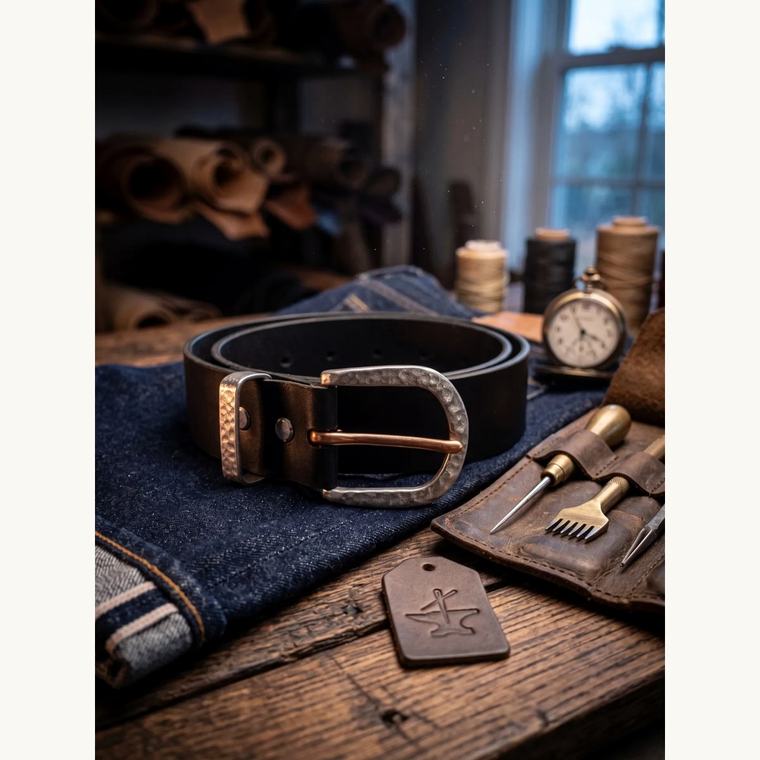
Vegetable-tanned leather
A raw hide rots. To become leather, its fibres have to be bound together and stabilised. That process is called tanning, and vegetable tanning takes the oldest route to it: with plants.
Tannins do the work
Tannins live in bark, leaves and fruit. Oak bark, chestnut, mimosa, quebracho — each one gives the leather a different tone and a different firmness. A tannin molecule bonds with the collagen in the hide and locks the fibres so they no longer break down in water.
How the process runs
The hide is cleaned, dehaired and prepared in a lime solution. Then tanning begins: the hide moves through progressively stronger tannin baths, weak first, strong later. It takes weeks, and throughout that time the hide has to be moved so the liquor penetrates evenly. A tanner checks by hand and by eye: the colour on a cut edge should run all the way through, not sit on the surface.
How it feels and smells
Vegetable-tanned leather is dense, sometimes stiff, and slow to warm in the hand. The surface is dry rather than oily, and the edges are often left raw — over time those edges darken and polish themselves. The smell is distinctive: faintly of forest, bark and smoke. Many people treat that smell as the proof of real leather.
Colour and patina
Fresh vegetable-tanned leather is pale — honey or light brown. In use it darkens visibly: oil from your hands, sunlight and friction all add depth. After a couple of years a belt or a wallet often looks nothing like it did in the shop. That is not a flaw. It is the whole point of tanning with plants.
Where it belongs
The dense structure holds its shape well, which is why this leather goes into belts, cuffs, wallets and bag handles. It is less suited to soft, fluid surfaces: if you want a bag that drapes in the hand, another type of leather will serve you better.
Care
Vegetable-tanned leather is not waterproof. If a piece gets soaked, dry it in the shade with a form inside so it keeps its shape. Dry leather eventually cracks, so once a season apply a thin layer of natural wax or leather balm and buff it in well with a soft cloth. Never wax wet leather.
See also
-
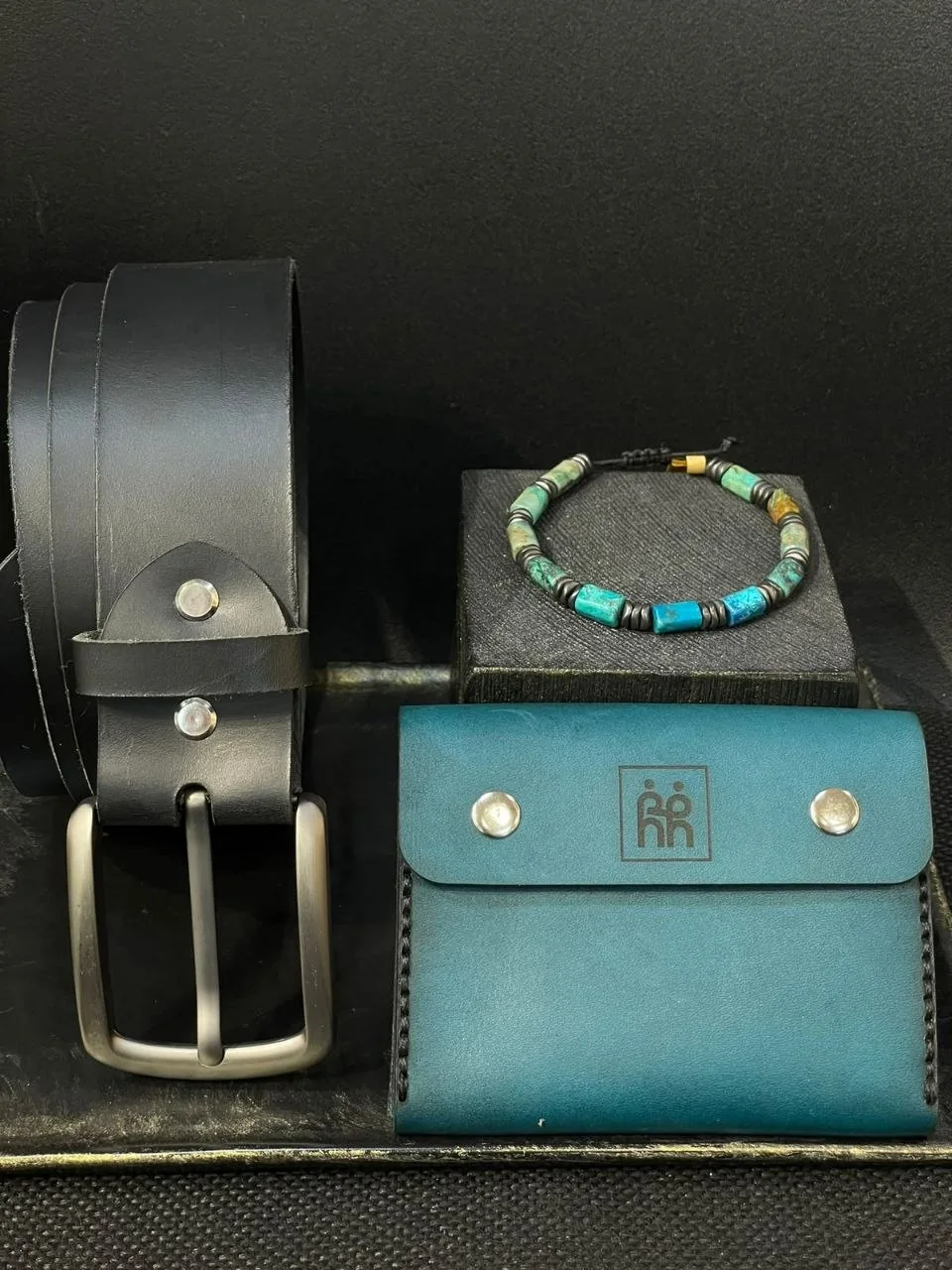
Natural leather and its types
Natural leather is animal hide that has been tanned, treated so that it stops decaying and holds its shape. Tanning changes the structure of the protein; that is what turns a raw skin into something you can sew, carry and keep for years.
"Natural leather" on its own, though, tells you very little. Four types reach the market, and the difference between them shows in the hand, in the price and in how long the piece lasts.
Where leather starts
A hide has two layers: the top, where the natural grain sits — the surface lines and pores — and the lower layer, the dermis. Most leather types come down to how much of the top layer you keep, how much of the lower layer you use, and how much you change on the surface.
Full grain — the top layer as it is
Full grain is the top layer with its surface left unsanded. Scratches, insect marks, variation in colour: all of it stays. That is why it never looks uniform, and why it is the strongest of the four — the fibres at the surface are untouched.
Over time full grain softens, darkens and takes on a look no other piece will have. For belts, bags and wallets it is the most honest choice.
Top grain — a levelled surface
Top grain is the same top layer, lightly sanded to remove scars and marks. It is then often embossed or sealed under a thin layer of pigment.
The result is clean and even. The leather stays strong but becomes thinner and less lively: patina arrives slowly and faintly. In exchange you get a wider choice of colour and a surface that shrugs off daily rubbing.
Split — the lower layer
Split is the layer beneath the top. It has no natural grain and its fibres are looser, so it is either finished as suede or coated and given an artificial grain.
Split is cheaper and weaker. It works well as a lining, or where appearance matters more than longevity. For something worn every day, it is not the best answer.
Bonded — leather glued back together
Bonded leather is made from offcuts: the scraps are shredded, mixed with a binder and pressed into a sheet. The surface is then embossed or coated.
From the outside it reads as leather, but inside the fibres are no longer connected to each other. Edges and folds can peel apart over time, and a scratch quickly goes deep. It is the cheapest option and the shortest-lived.
Which one to choose
If you carry something every day and want it to last years, take full grain or a good top grain. The difference is obvious in the hand: full grain is heavier, holds warmth, and shows unevenness on the surface — that is not a defect.
If budget is the question, split is an honest middle. Bonded only when the piece needs to survive a single season.
See also
-

Aquarius and its stones
Aquarius runs from 20 January to 18 February. The January birthstone is garnet, the February one amethyst. The sign's own list is broader, and cool, clear colours dominate it.
Character, briefly
Aquarius is an air sign, eleventh in the zodiac. Tradition links it to two planets, Saturn and Uranus. From that comes its main trait: it cares more about how than why. Its circle of people is wide, yet it keeps the same distance from everyone in it.
The downside: feelings are hard to discuss, especially when it matters. It often watches from the side something it is taking part in. That is why tradition recommends stones said to make contact easier.
All of this is astrology, not science. It is interesting as a cultural language, not as a diagnosis.
Traditional stones
Tap a stone name or photo — its article opens.
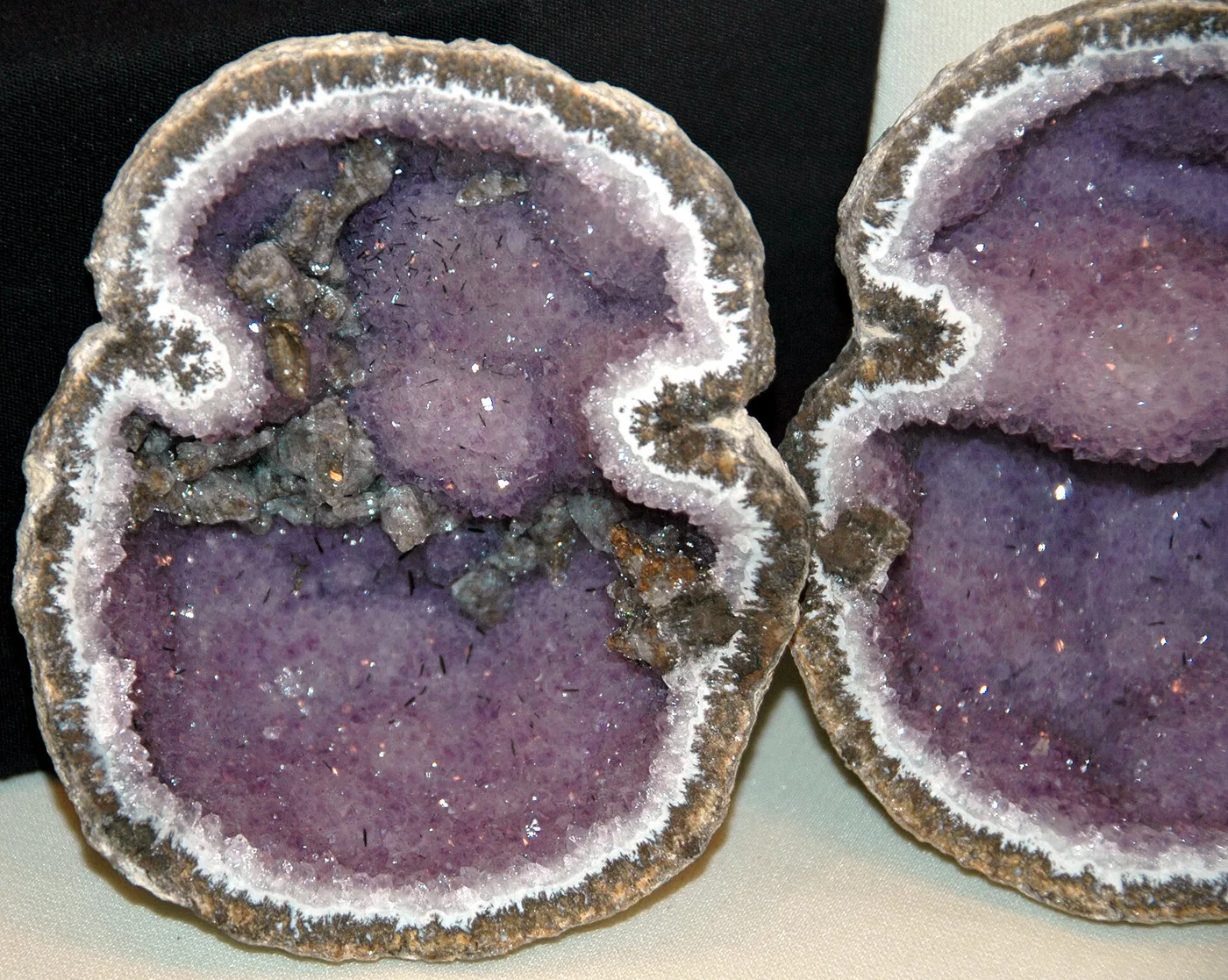
Amethyst Purple quartz and the February birthstone. Tradition treats it as a stone of sobriety. It suits Aquarius because it reads cold and warm at the same time.
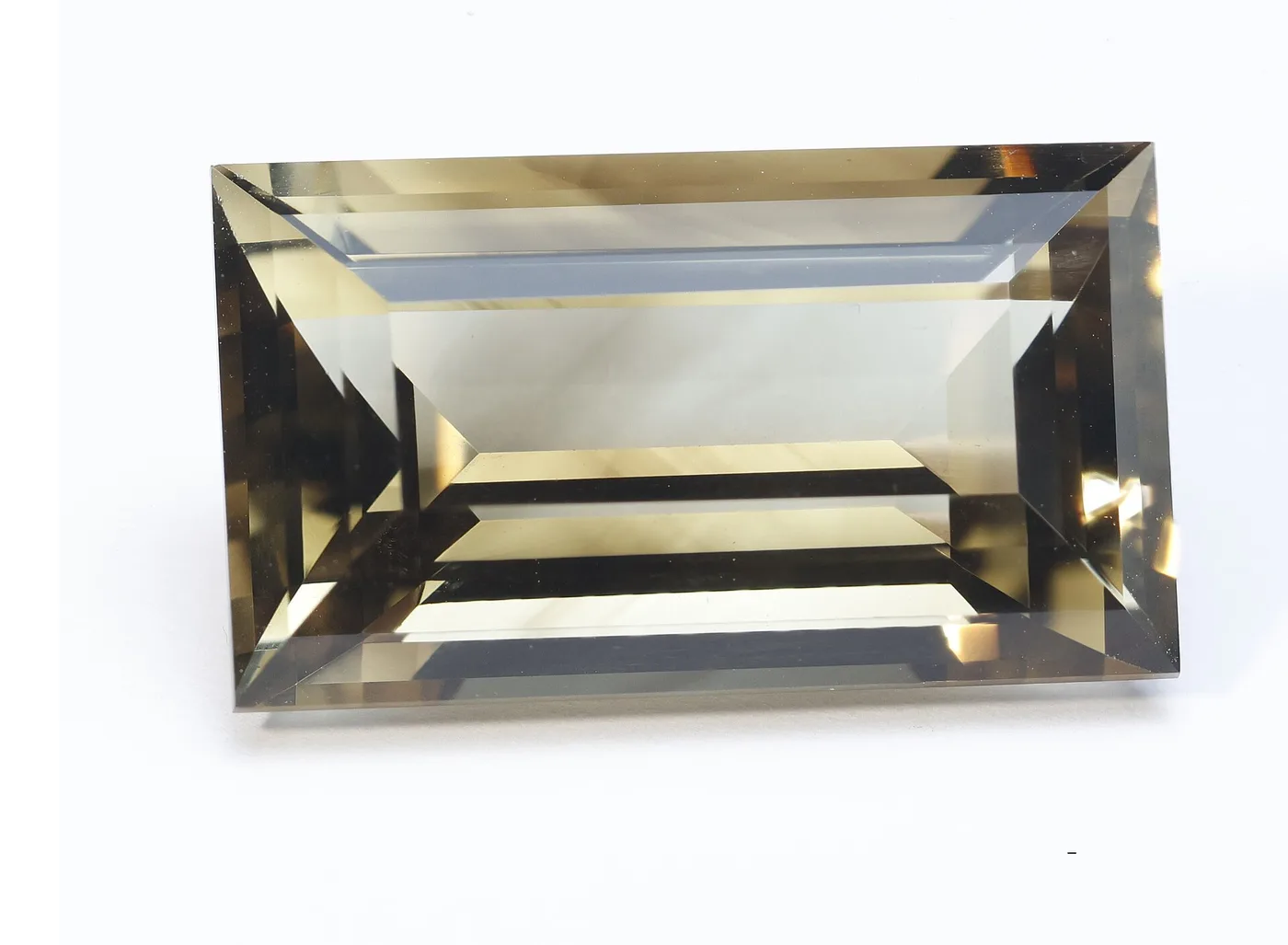
Citrine Lemon quartz, rarely natural, usually amethyst that has been heated. Tradition ties it to energy and good spirits. It is the only warm stone on the Aquarius list, which is exactly why it balances the rest.
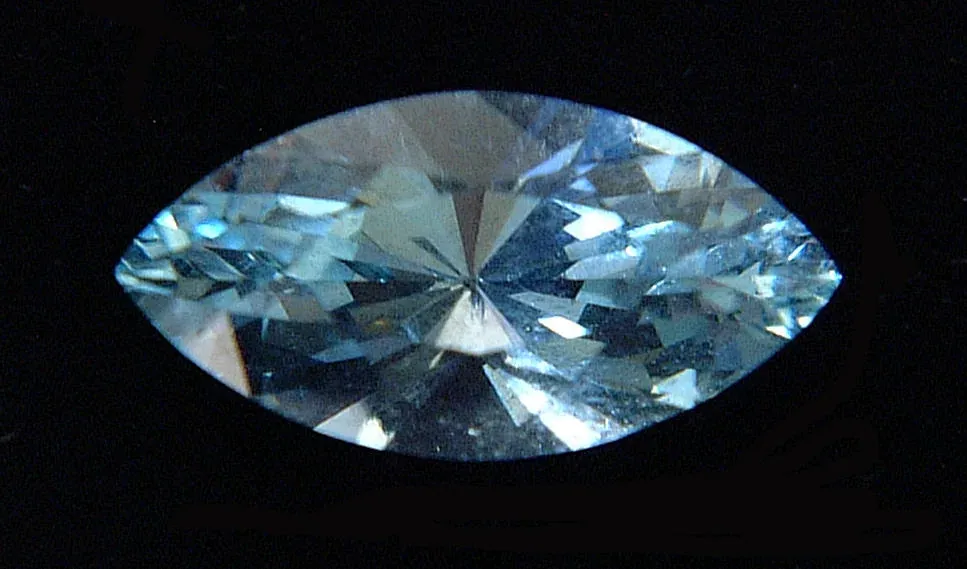
Aquamarine Pale blue beryl, the colour of sea water. Tradition connects it with calm. It is hard enough to be a good everyday choice.
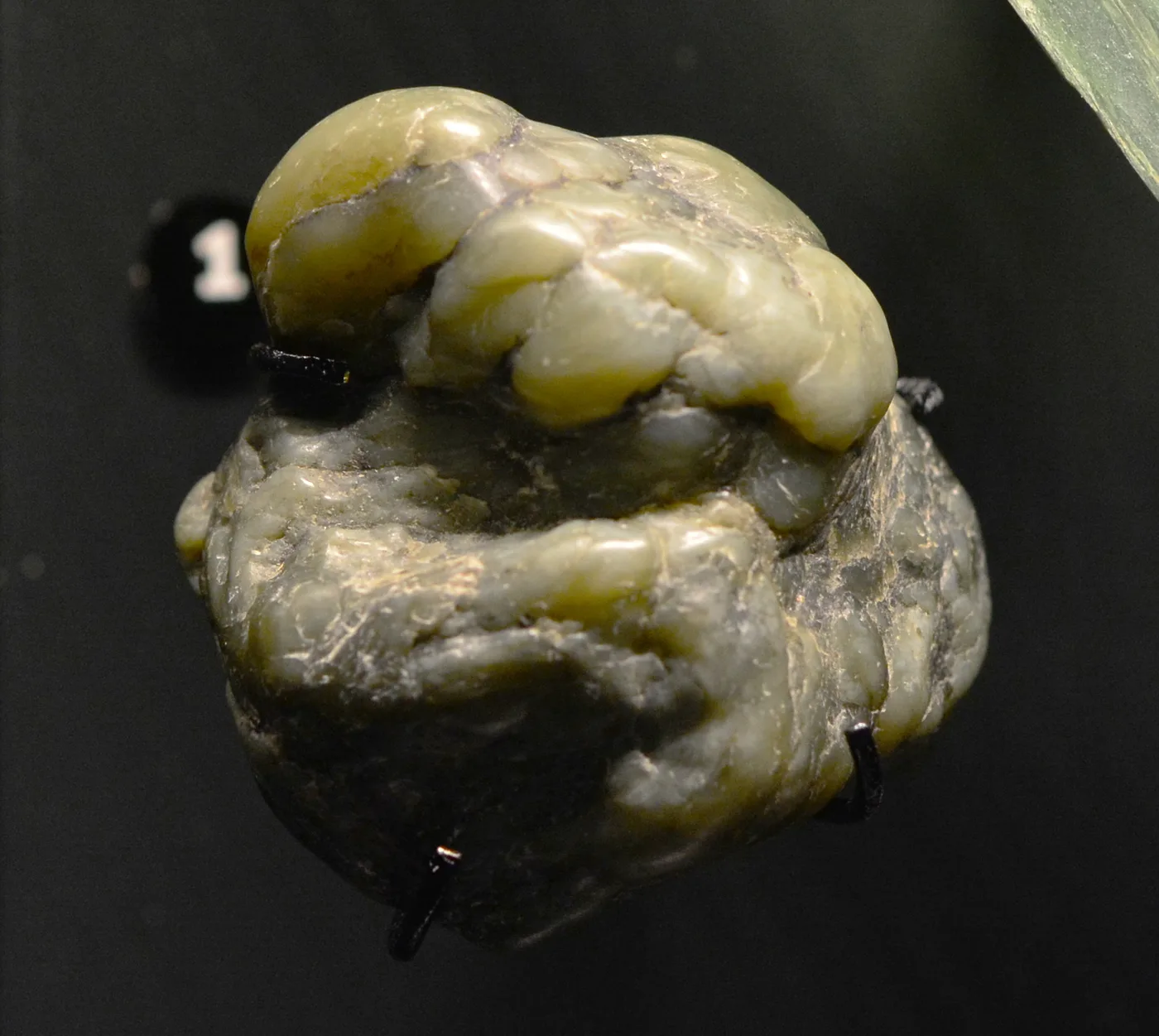
Jade A green stone valued above gold in China. Tradition links it to endurance and patience.
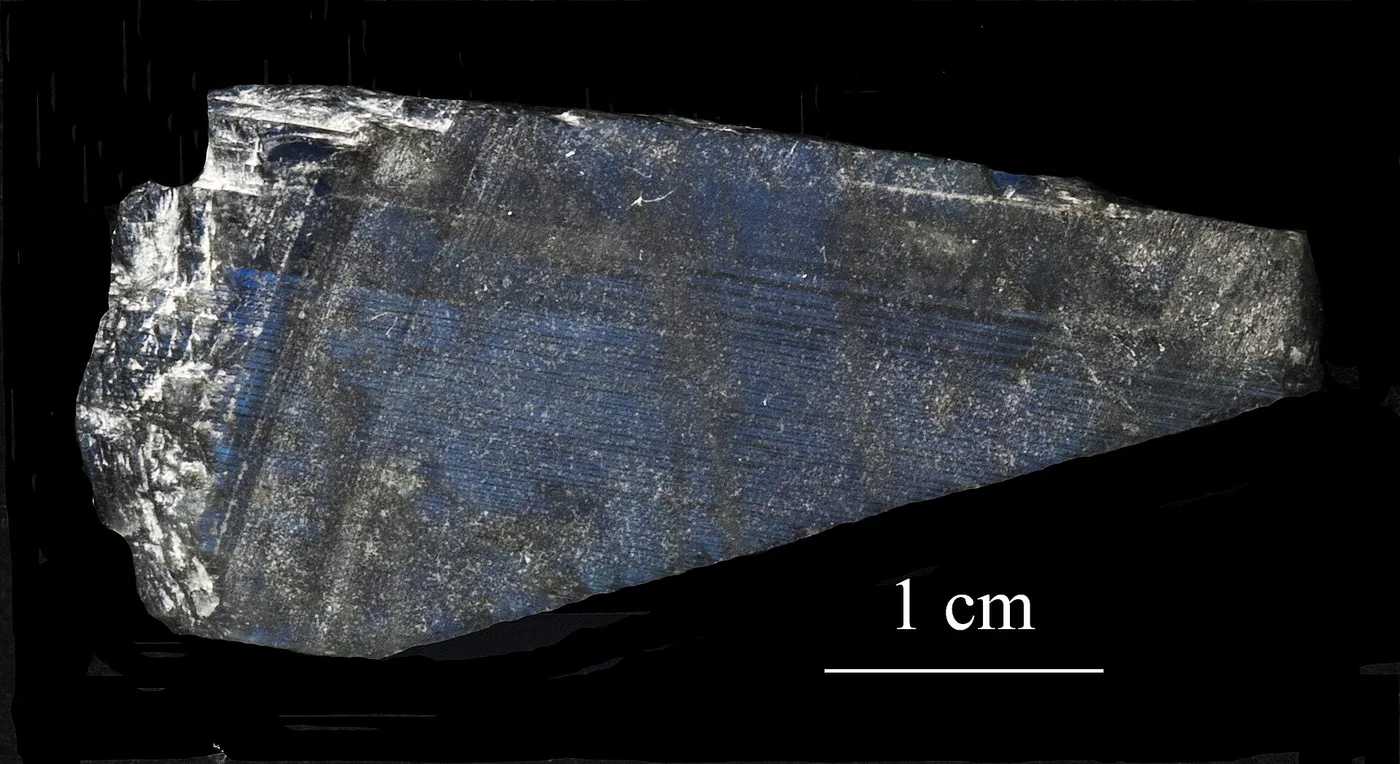
Labradorite Dark grey that flashes blue in the light. It is the most interesting stone here for the eye, since the colour changes with the angle.
How to choose
Aquarius suits cool, clean colours: blue, violet, silver, black. Silver fits it better than gold, at least in the traditional pairing. For everyday wear aquamarine and amethyst are the least fuss.
If it is a gift, do not reduce the choice to colour alone. Aquarius often picks what nobody else has, and an unusual shape or an asymmetry attracts it more than a classic setting.
Size matters too. Aquarius tends to choose a piece that does not read at first glance and shows up on the second: a small stone in an unusual setting, a mismatched earring, two stones of different colours in one piece. If you cannot guess the shape, go for the cleaner line, which suits any taste.
The final call is taste anyway: if the stone pleased you in the first second, think less about the rules of the sign.
At Charcho
Our pick for Aquarius is the aquamarine necklace: pale blue, a stone tradition also assigns to this sign.
See also
-

Pisces and its stones
Pisces starts on 19 February and ends on 20 March, making it the last sign, the one that closes the circle. There are two birthstones again: amethyst for February, aquamarine for March. Both are cool in colour, and that is not entirely a coincidence.
Character, briefly
Pisces is a water sign, twelfth in the zodiac. Tradition links it to Neptune, the planet of the sea and dreams. It notices what others miss: the tone of a voice, the tension in a room, the thing that was not said. It often does what someone else needs, without ever having wanted to.
The downside is boundaries. Saying no is hard, so the people who find that convenient tend to stay. Tradition gives the stones of Pisces a protective quality for exactly this reason.
All of this is astrology, not science. It is interesting as a cultural language, not as a diagnosis.
Traditional stones
Tap a stone name or photo — its article opens.
Aquamarine Pale blue beryl and the March birthstone. The colour resembles sea water, and the name comes from there. Tradition connects it with calm, and in the case of Pisces with holding a boundary.
Amethyst Purple quartz, the February stone. Tradition treats it as a stone of sobriety. Pisces needs something that ties the dream to reality, and this is said to be it.
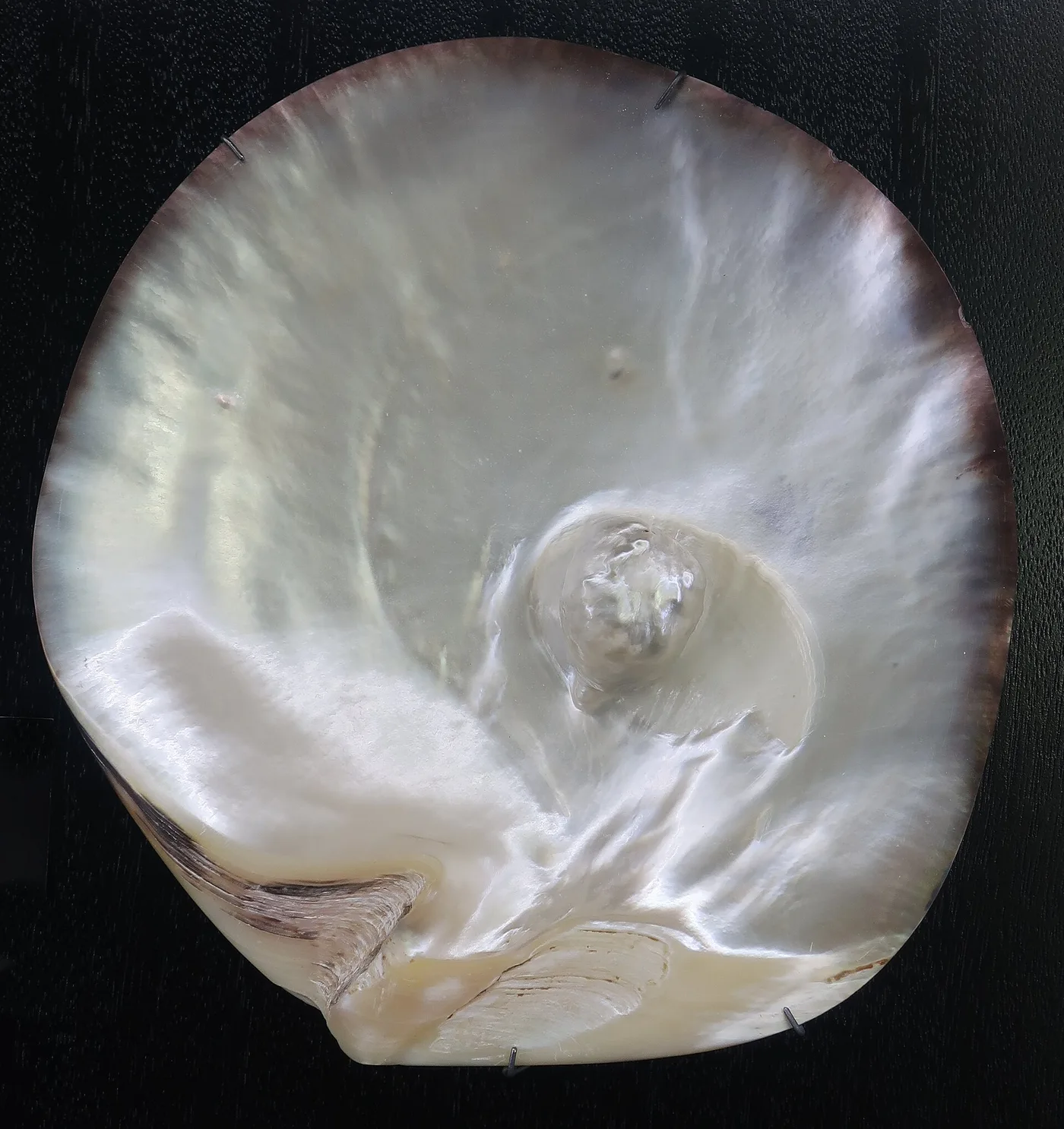
Pearl The only stone here born inside a living creature. Tradition ties it to the moon and water, so with Pisces it is the most natural pairing of all. It is soft: keep it away from spices, perfume and chlorine.
Heliotrope Dark green with red flecks, called bloodstone in older texts. Tradition links it to nerve, which Pisces often runs short of.
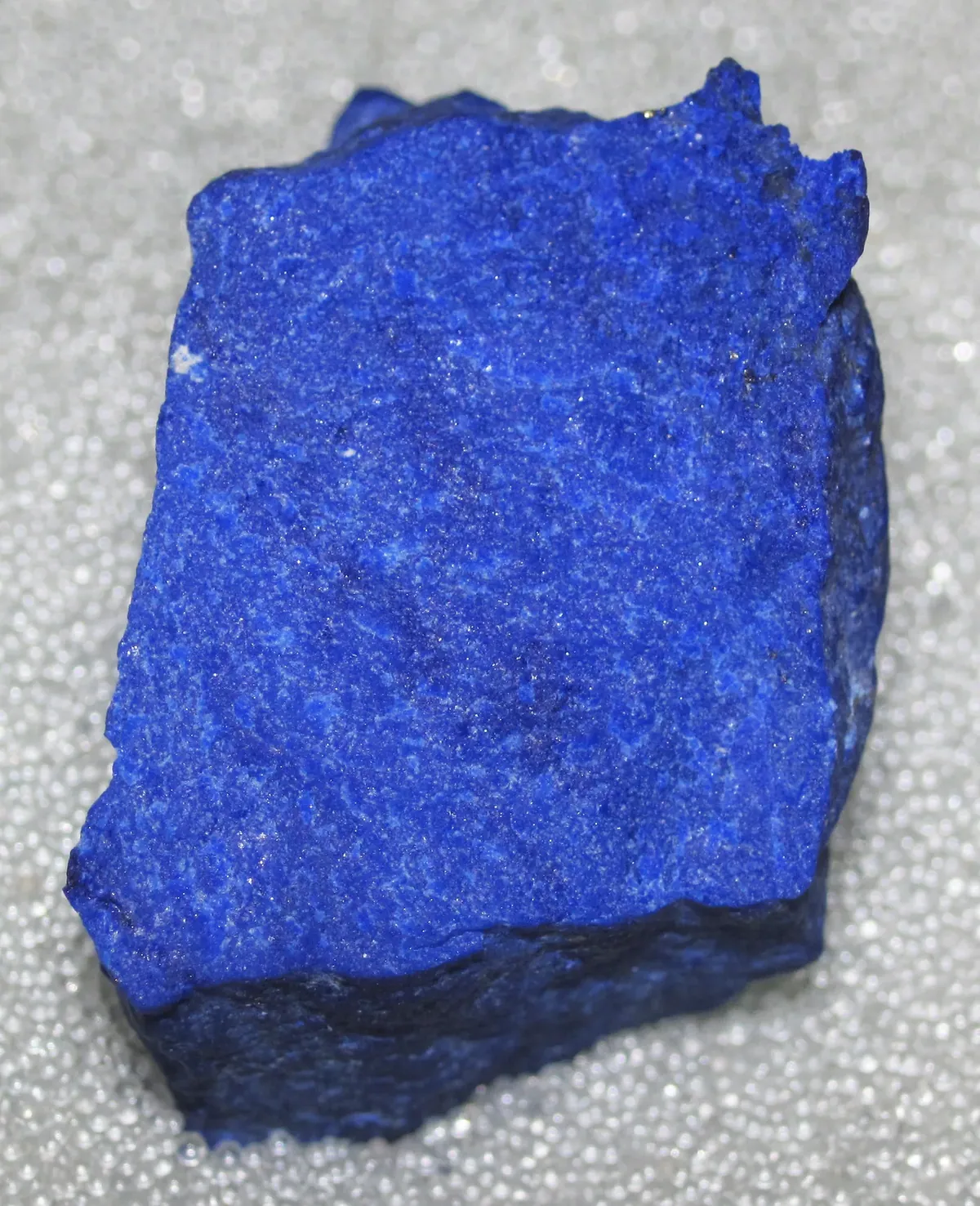
Lapis lazuli Deep blue with golden flecks. Tradition ties it to truth and responsibility. The colour is clear and works well with a cool palette.
How to choose
Pisces suits watery, soft tones: blue, sea green, violet, silver. Silver sits naturally on it. For everyday wear aquamarine and amethyst are the least trouble, while pearl asks for care.
If it is a gift, ask whether the person wears necklaces at all. Pisces often chooses something that sits close to the skin, and a longer chain pleases more than a short, severe one.
There is a practical side too: Pisces tends to forget jewellery and therefore lose it. A closed setting and a sturdy clasp will serve better than a pretty but weak drop.
And one last thing: do not be disappointed if the stone differs slightly from the photograph. Two identical natural stones are rare, and that is where the value sits.
At Charcho
Our pick for Pisces is the baroque pearl necklace: irregular pearls doing exactly what the sign is said to do. Nothing is perfectly straight, and that is what makes it beautiful.
See also
-
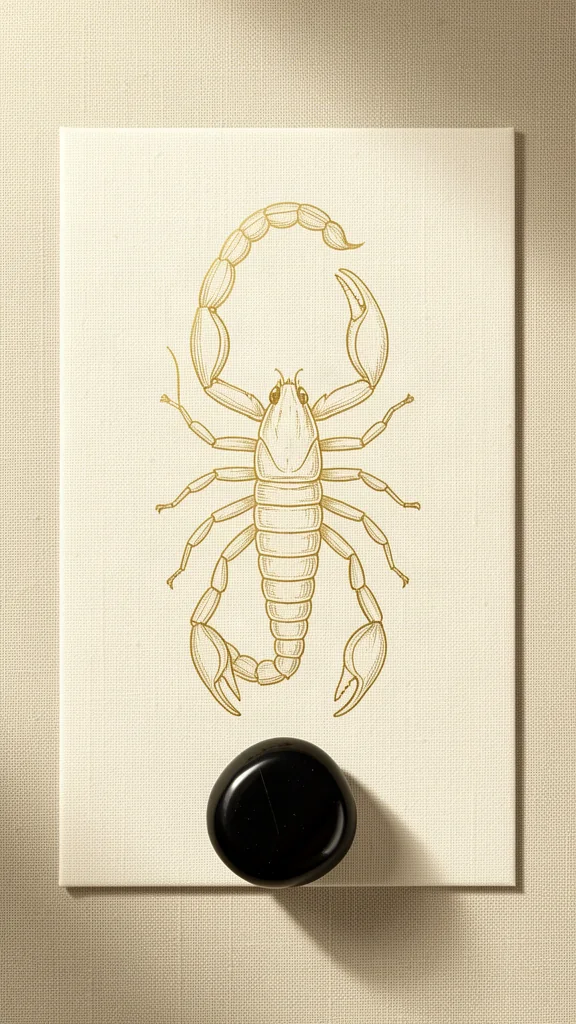
Scorpio and its stones
Scorpio runs from 23 October to 21 November, which puts it between two months. That gives it two birthstones: opal for October, topaz for November. The traditional list is far longer, and probably more interesting.
Character, briefly
Scorpio belongs to water and sits eighth in the zodiac. It is known for one habit: watching quietly and saying less than it knows. A lot happens inside, while the face stays calm. Trust is built slowly and then kept for a long time.
The other side sits right next to it. It remembers who said what for far too long, and control sometimes gets mixed into love. People joke about this, but tradition ties the sign's stones to exactly that closedness.
All of this is astrology, not science. It works as a cultural language, not as a diagnosis.
Traditional stones
Tap a stone name or photo — its article opens.
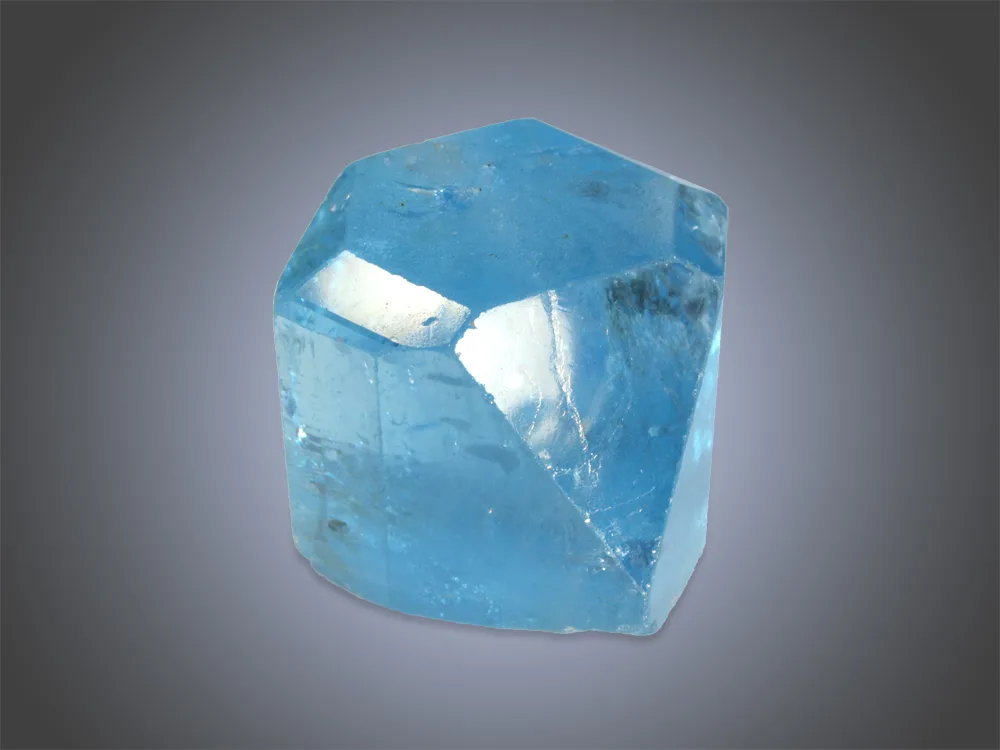
Topaz The November birthstone. Usually blue, sometimes golden or pink. Tradition links it to clarity, the thing Scorpio lacks when it goes too deep. Hardness is 8: softer than diamond and corundum, but plenty for a ring worn daily.
Labradorite A dark grey stone that flashes blue or green in the light. Northern peoples treated it as night light. It is recommended to Scorpio more often than to any other sign.
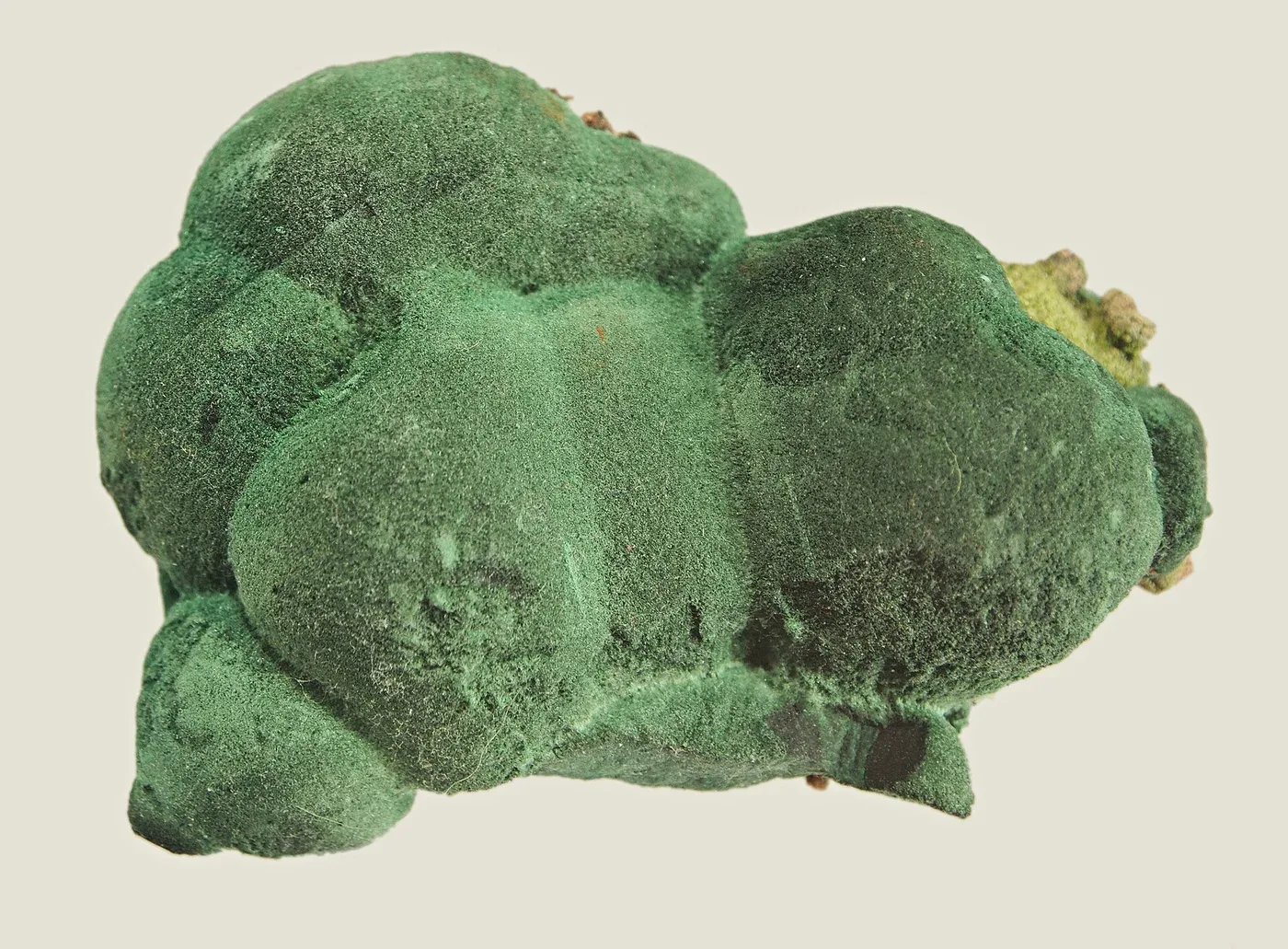
Malachite Green, with concentric bands. In ancient Egypt it was a child's amulet. Tradition connects it with protection, though the stone is soft and will not survive a daily ring.
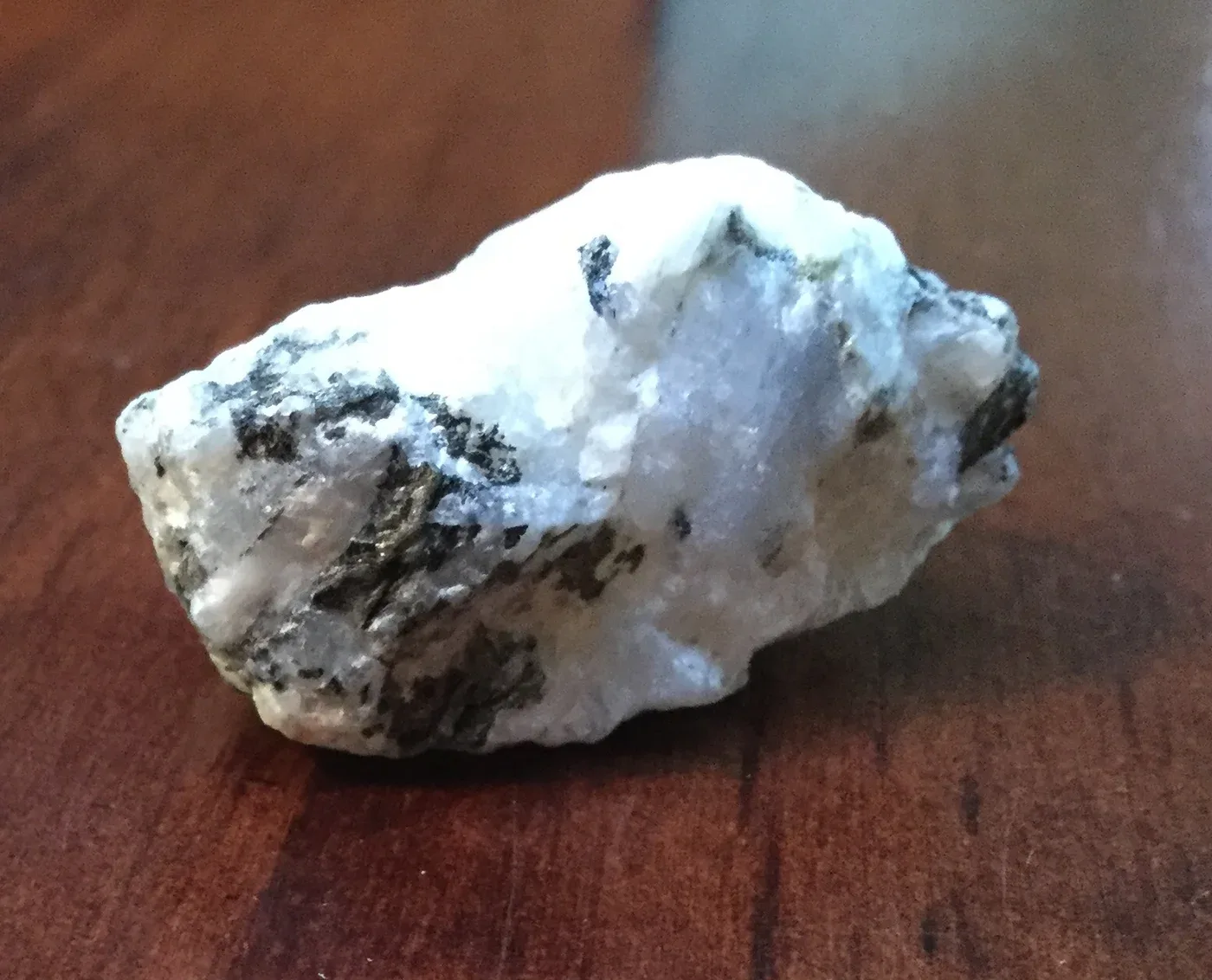
Moonstone Milky, with a bluish glow inside. Tradition ties it to intuition, which happens to be Scorpio's strong side.
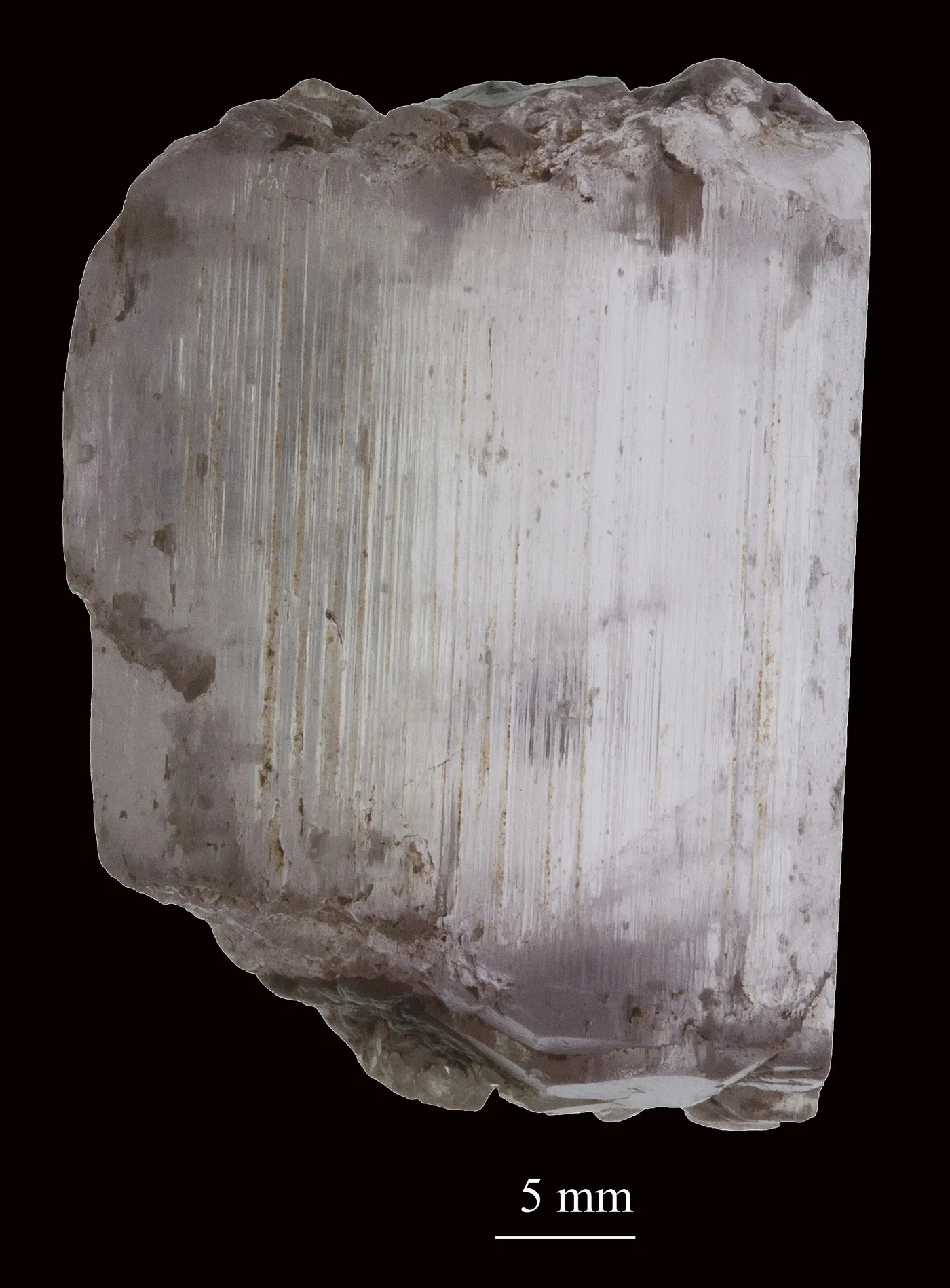
Kunzite Pink or lilac spodumene, the rarest stone on this list. It is said to soften people. Hardness is average, so the setting needs some thought.
How to choose
Scorpio suits dark, cool colours: black, deep blue, burgundy, green. For everyday wear topaz and labradorite are the practical picks, since both are hard enough. Malachite and kunzite are dress stones and scratch quickly in a ring worn daily.
If the stone is a gift, think less about the sign and more about what the person actually wears. Black clothing and silver tend to suit Scorpio better than gold, though that is a matter of taste.
One detail people forget is size. Scorpio rarely wears a large, attention-seeking piece. It tends to pick a small stone that reads up close and disappears from across the room. A ring or a ring-shaped pendant suits it better than a long, glittering necklace. When in doubt, go smaller. The big one gets taken off.
At Charcho
Our closest piece for Scorpio is a black ring with a pearl: dark metal, one clean line, nothing extra.
See also
-

Sagittarius and its stones
Sagittarius starts on 22 November and ends on 21 December. Once again there are two birthstones: topaz for November, turquoise for December. The sign's own list runs a different way, with blue and violet in the majority.
Character, briefly
Sagittarius is a fire sign, ninth in the zodiac. Tradition links it to Jupiter, the planet of luck and wide horizons. It is direct to the point of awkwardness. It is optimistic not because everything is fine, but because it never learned to be otherwise.
The downside sits right there: promises come easily and are forgotten just as easily, and routine wears thin within a week. That is why movement matters when choosing a stone for Sagittarius — a piece that survives a trip is worth more than a formal one.
All of this is astrology, not science. It is interesting as a cultural language, not as a diagnosis.
Traditional stones
Tap a stone name or photo — its article opens.
Amethyst Purple quartz and the most recognisable stone on this list. Tradition calls it a stone of sobriety, which is exactly what Sagittarius needs more of. It is also affordable, so it makes a sensible first piece.
Lapis lazuli Deep blue with golden flecks. In the Middle Ages it was ground down to make ultramarine paint. Tradition ties it to honesty and plain speaking.
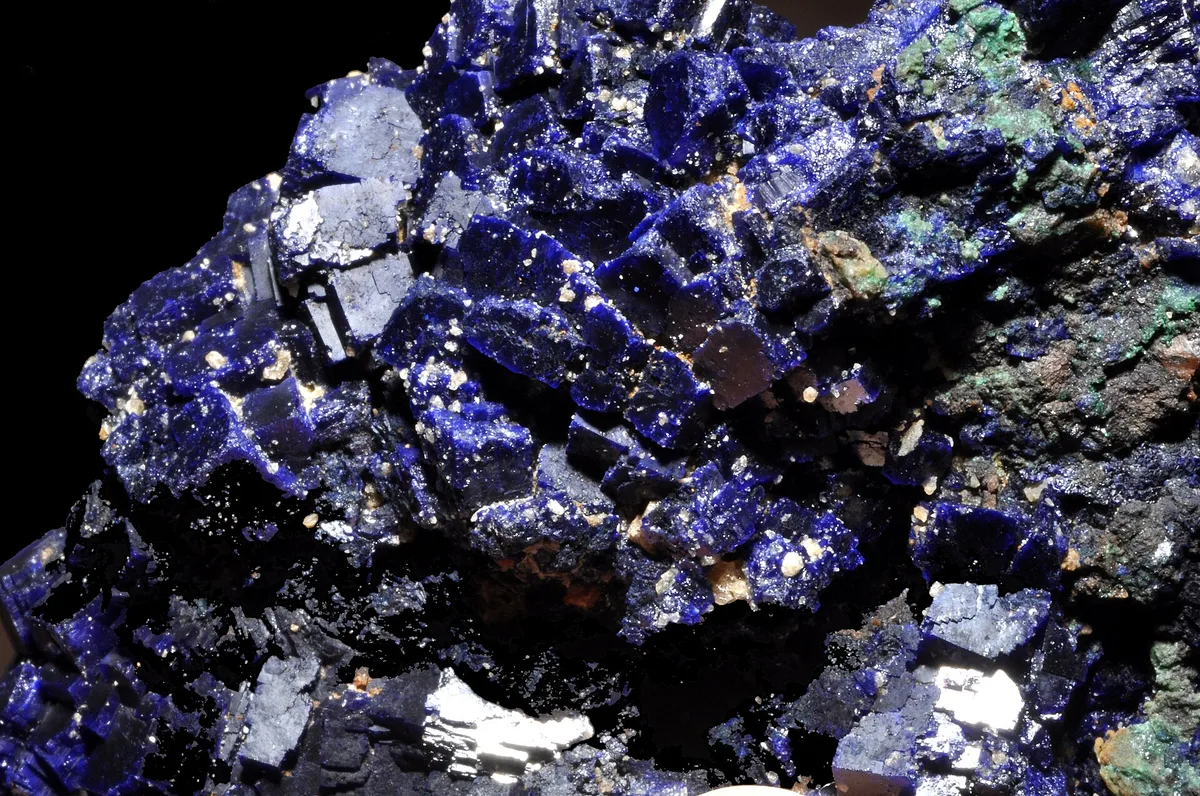
Azurite A deep blue, often banded with green malachite. Beautiful but soft, so in jewellery it usually appears as a cabochon or a pendant rather than a ring.
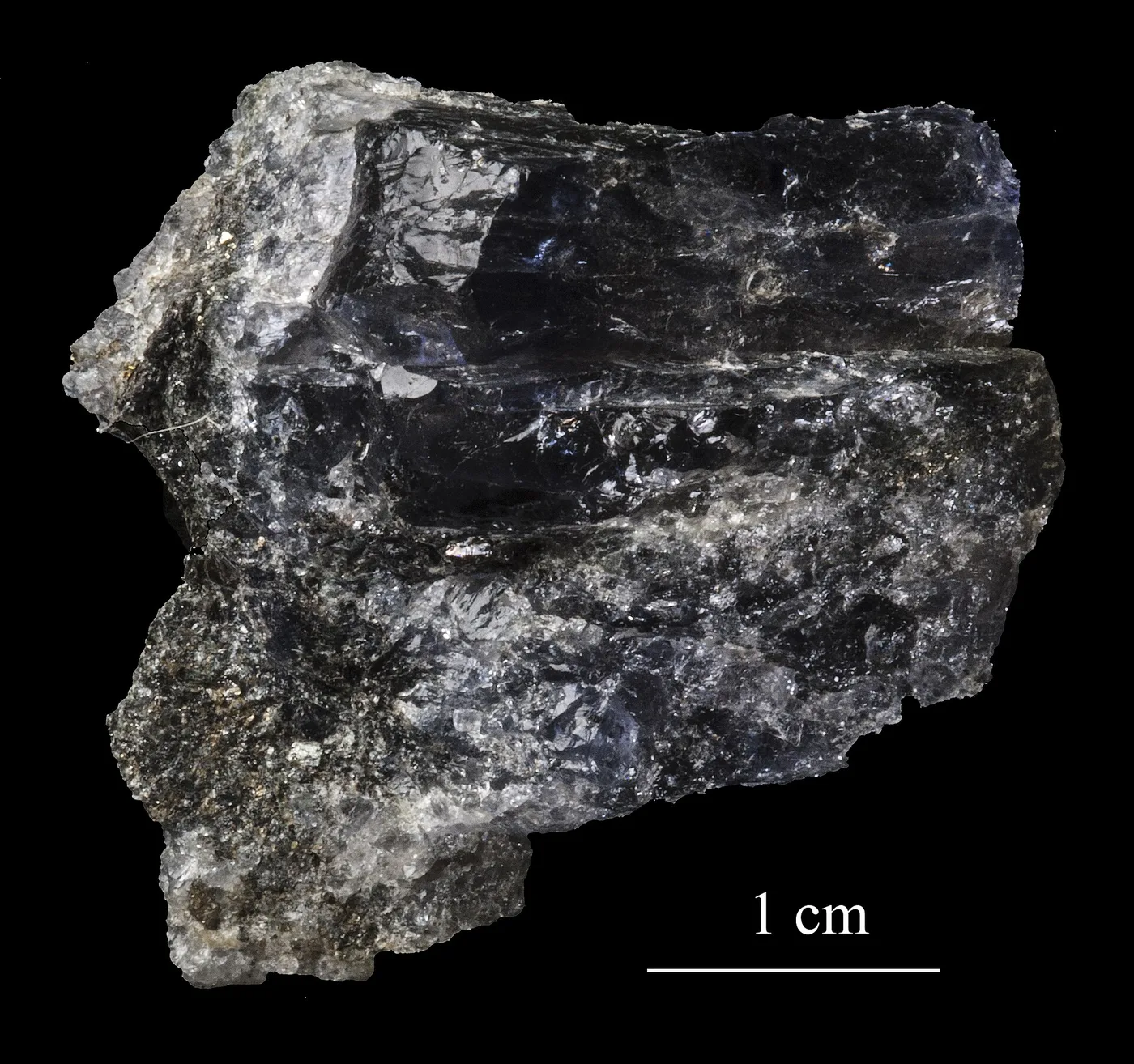
Iolite Violet-blue and shifts colour as you turn it. It is called the Viking compass stone, which is legend, but a good one.
Ruby Red corundum, the stone of fire. Tradition links it to nerve. It is expensive, so people usually choose a small one.
How to choose
Sagittarius suits bright, outspoken colours: violet, blue, pale green, orange. For everyday wear amethyst and iolite are the easiest, since both are hard enough to shrug off scratches. Lapis is softer, but in a necklace, where it does not meet your hands, it lasts fine.
If the stone is a gift, ask where the person wears jewellery — neck, wrist or ear. Someone who is always travelling will get more use out of a small, light piece than a large one.
On the road a stone has its own rules: the setting should be closed so the stone cannot fall out, and the chain short enough not to catch on a bag strap. These are practical details rather than mysticism, yet they often decide whether a piece gets worn or stays in the box.
If you cannot choose between two stones, take the one your eye went back to. Tradition calls this "the stone has to call you", and for Sagittarius the rule works rather well.
At Charcho
The most direct offer for Sagittarius is our lapis lazuli necklace: deep blue, the stone most often tied to this sign.
See also
-

Capricorn and its stones
Capricorn starts on 22 December and ends on 19 January, which makes it the only sign that crosses the calendar year. So there are two birthstones: turquoise for December, garnet for January. The sign's own list is drier and more earthy.
Character, briefly
Capricorn is an earth sign, tenth in the zodiac. Tradition links it to Saturn, the planet of time and limits. Hence the habit of doing everything slowly and permanently: commitments, friendships, work.
There is a well-worn observation that Capricorn improves with age — more tense in youth, calmer after thirty. The downside is next door: it takes work too much to heart, leaves almost no room for rest and looks at itself more harshly than at anyone else.
All of this is astrology, not science. It is interesting as a cultural language, not as a diagnosis.
Traditional stones
Tap a stone name or photo — its article opens.
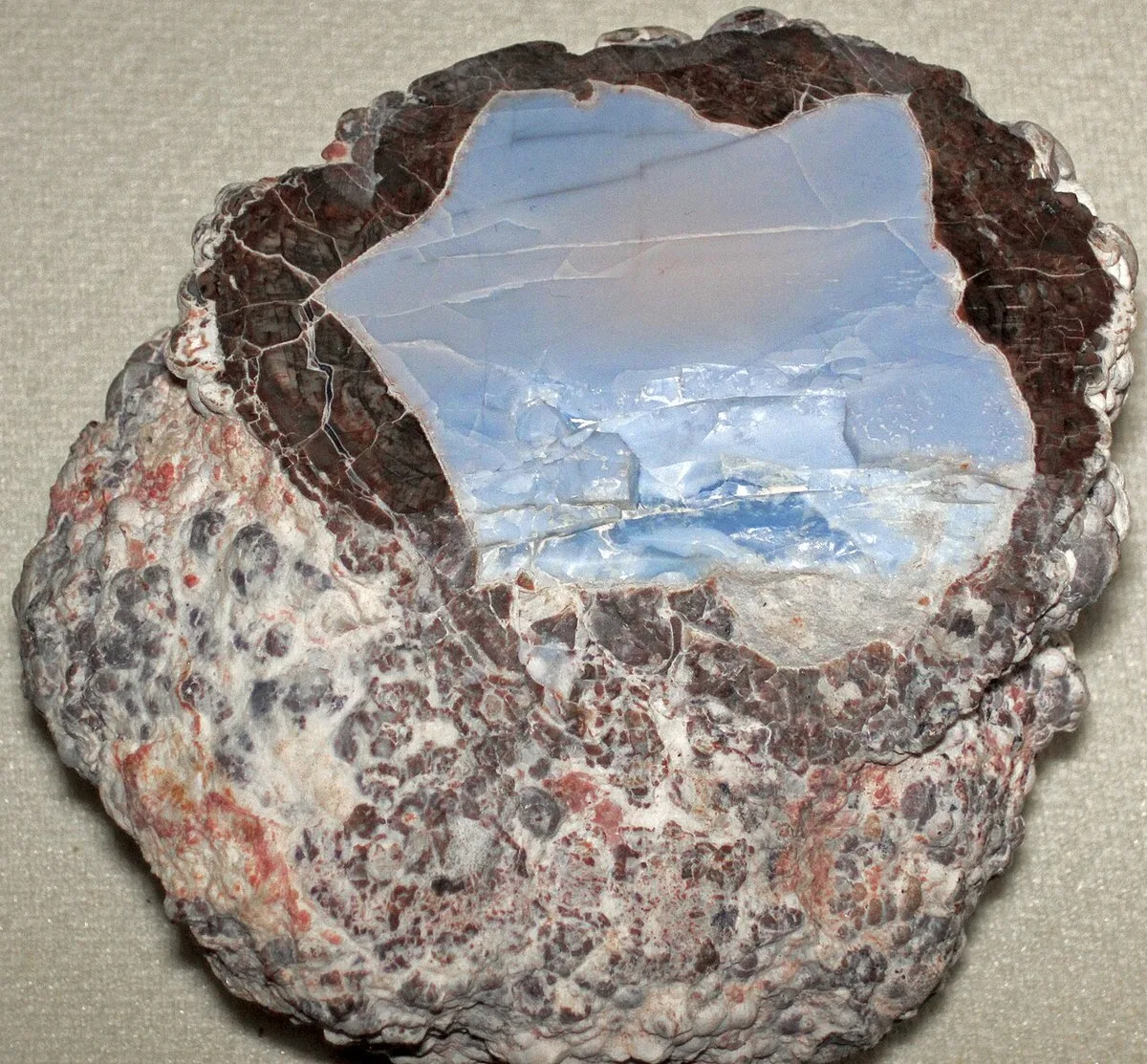
Agate Banded chalcedony, found in nature in almost every colour. Tradition ties it to solid ground and patience. It is cheap, hard and takes daily wear without complaint.
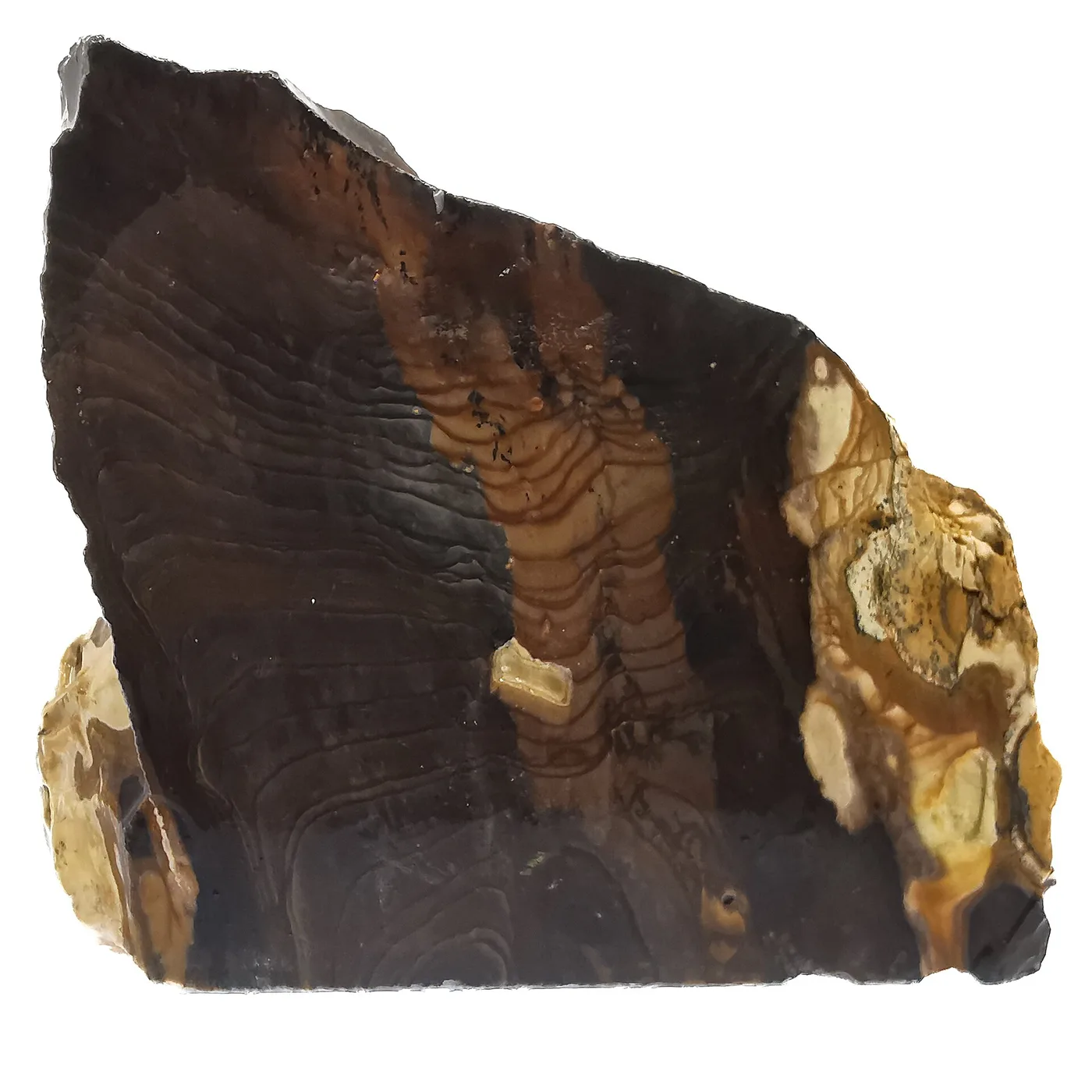
Jasper Quartz coloured by inclusions, often earthy or brick red. Old texts treated it as a protective stone. It suits Capricorn not by shine but by weight.
Malachite Green, with concentric bands. Tradition connects it to growth and roots. It is a soft stone, so a pendant or a brooch suits it better than a daily ring.
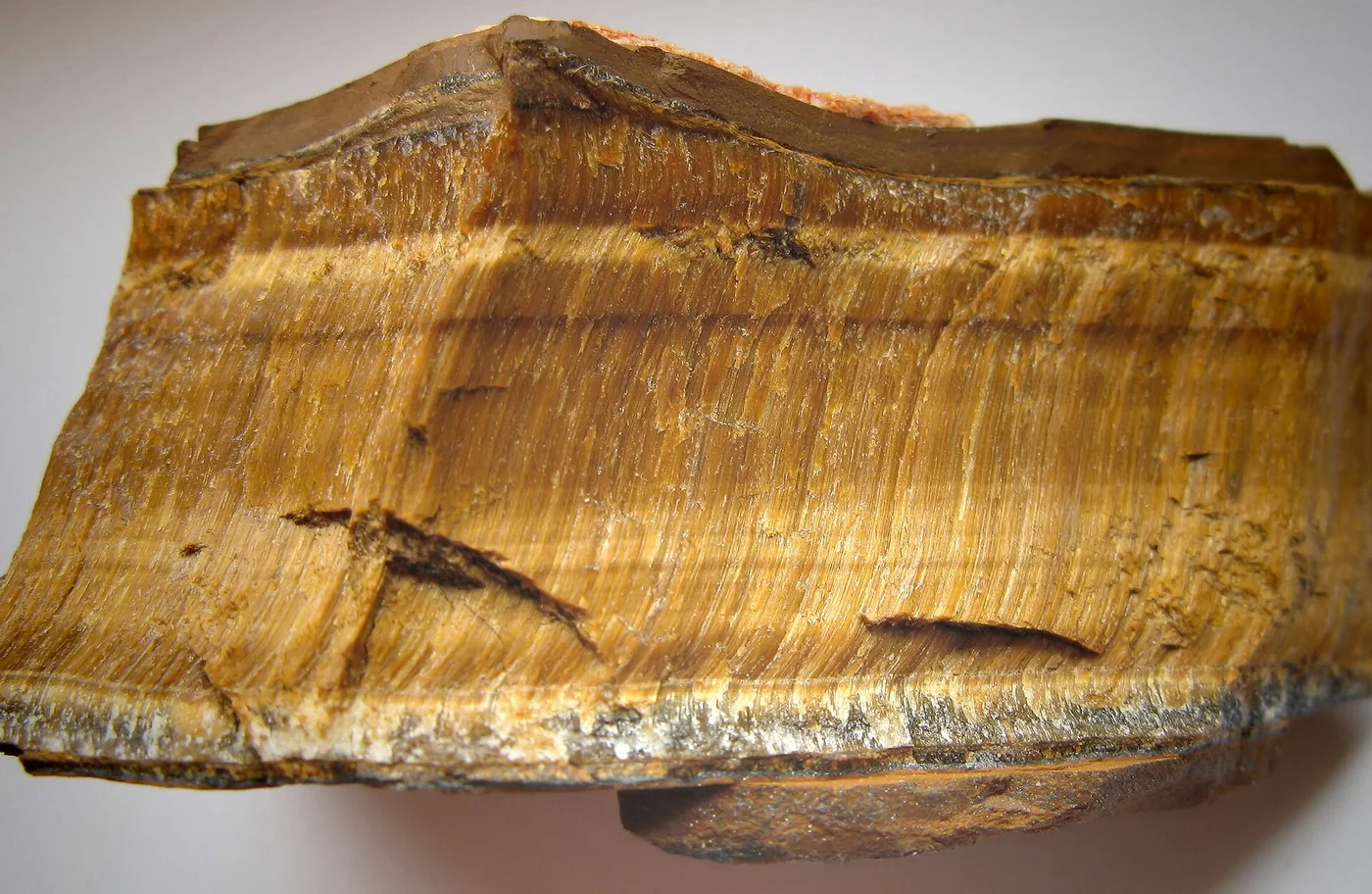
Tiger's eye Brown-gold with a silky shimmer. Tradition links it to caution and says it helps its owner make decisions.
Lapis lazuli Blue with golden flecks, the only cool colour on this list. Tradition ties it to truth and responsibility.
How to choose
Capricorn suits earthy, dark tones: brown, dark green, grey, black. Gold settles against them more naturally than silver. For everyday wear agate and jasper are the best choices, hard and affordable at once.
If it is a gift, remember that Capricorn rarely wears many pieces at once. One good thing worn daily will please more than three left in a box.
A note on price, too. Capricorn buys rarely but well, and there is logic in it: one real stone outlasts three cheap ones and wears down less. That is a question of budget as much as character.
If the decision is still hard, pick the stone that feels heavier in the hand. Capricorn likes weight, and this criterion genuinely helps.
At Charcho
Our offer for Capricorn is a black leather belt with a forged buckle: handmade, and built on the same logic — simple, solid, everyday.
See also
-

Virgo and its stones
Virgo runs from 23 August to 22 September. The sign sits almost entirely in September, so the birthstone given is sapphire. On the August side, peridot is what remains.
What is interesting is that the traditional list hands Virgo plainer, earthier stones: amazonite, iolite, jasper. That makes sense, since this sign does not trust colour so much as texture.
Character, briefly
Virgo gets the earth element, and precision is what gets mentioned first. It notices the detail where everyone else sees only the whole picture, which is why it is usually the one who finds the error in the document.
The other side is self-criticism. The same eye it turns on other people's work also turns inward, sometimes too harshly. Tradition ties Virgo to diligence and practicality.
All of this is astrology, not science. It is interesting as a cultural language, not as a diagnosis.
Traditional stones
Tap a stone name or photo — its article opens.
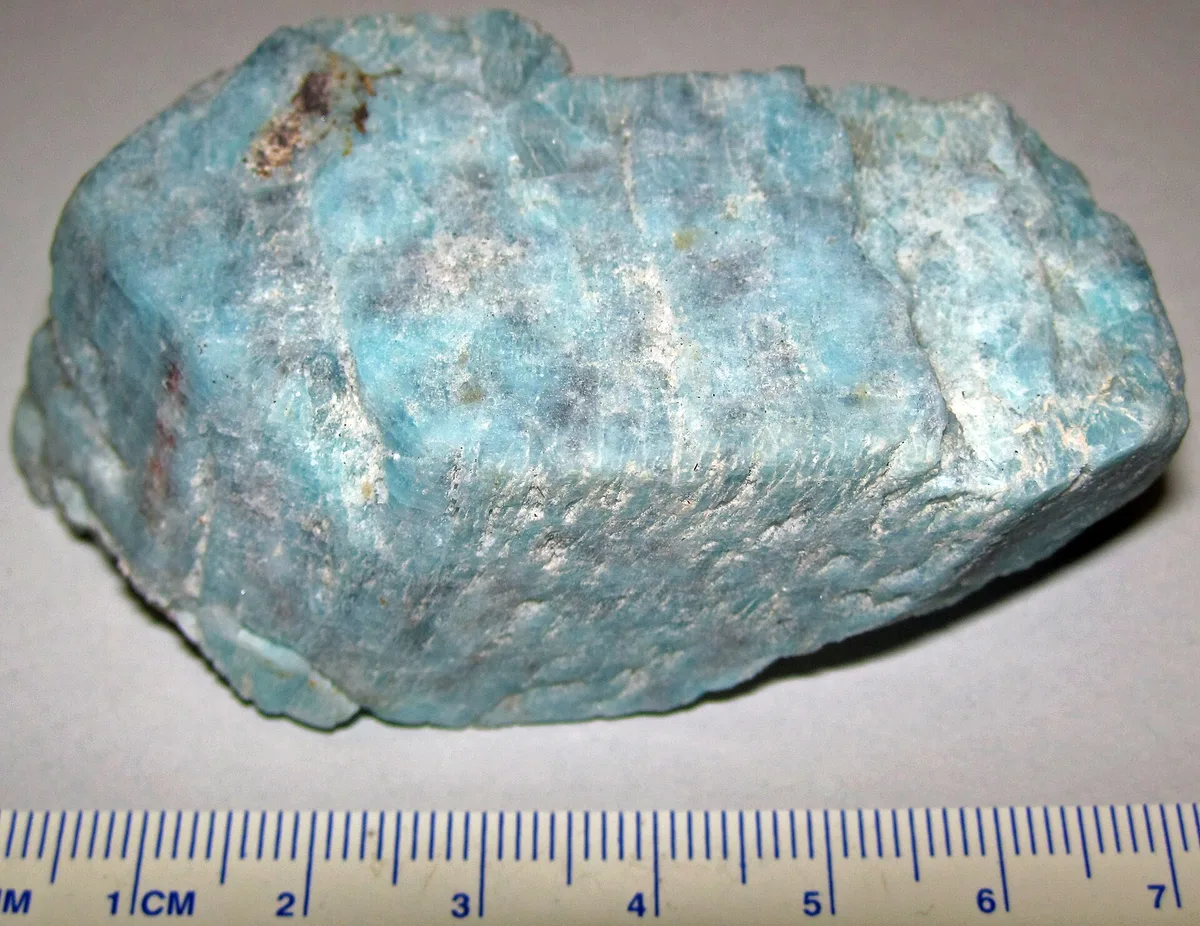
Amazonite Pale green-blue feldspar, often with white stripes. At hardness 6, a ring needs moderate care. Tradition connects it with calm and balance.
Iolite A violet-blue stone that looks different from three directions. Tradition links it to clarity, which is exactly what a decision needs.
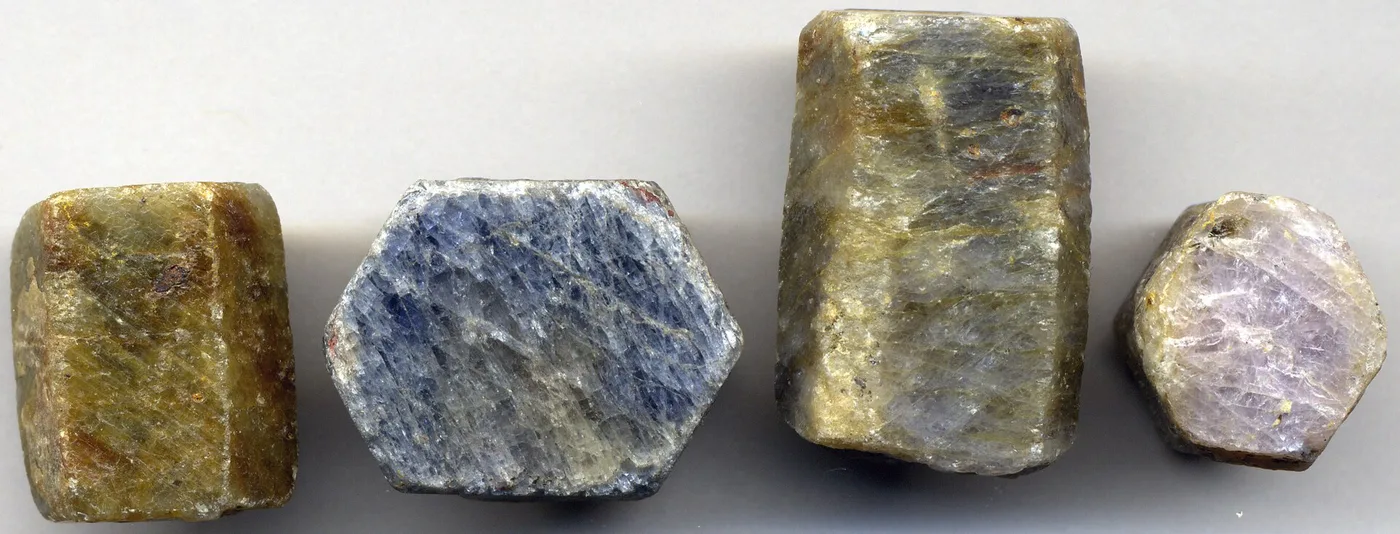
Sapphire Corundum, hardness 9, the hardest natural stone after diamond. The September birthstone. Tradition ties it to loyalty and clear thinking.
Lapis lazuli Deep blue with golden flecks. It is soft at hardness 5–6 and dislikes water, so it is better taken off before washing your hands. Tradition gives it depth.
Jasper A dense stone, usually banded or spotted. Hardness 6.5–7, and one of the most trouble-free stones for daily wear.
How to choose
Virgo suits clean, quiet colours: pale green, blue-grey, white, grey, deep blue.
For everyday wear sapphire and jasper are the best of the list, since neither really wears out. Amazonite and lapis lazuli need gentler handling, and iolite scratches quickly in a ring but lasts far longer in a pendant.
If this is a gift, Virgo prefers something that does a job over something that simply shines. A small, well-finished stone beats a large ornament here.
At Charcho
We assemble jewellery by hand and try to let the setting say less than the stone. The pages for sapphire and amazonite go into the properties properly, and finished pieces are under earrings and necklaces.
See also

Have an idea? We will make it.
Write or call us - together we will choose the material, colour and size, and make the piece to order.