 Free Delivery in Batumi


Blog
From the workshop: materials, care, gifts and the stories behind the pieces.
-
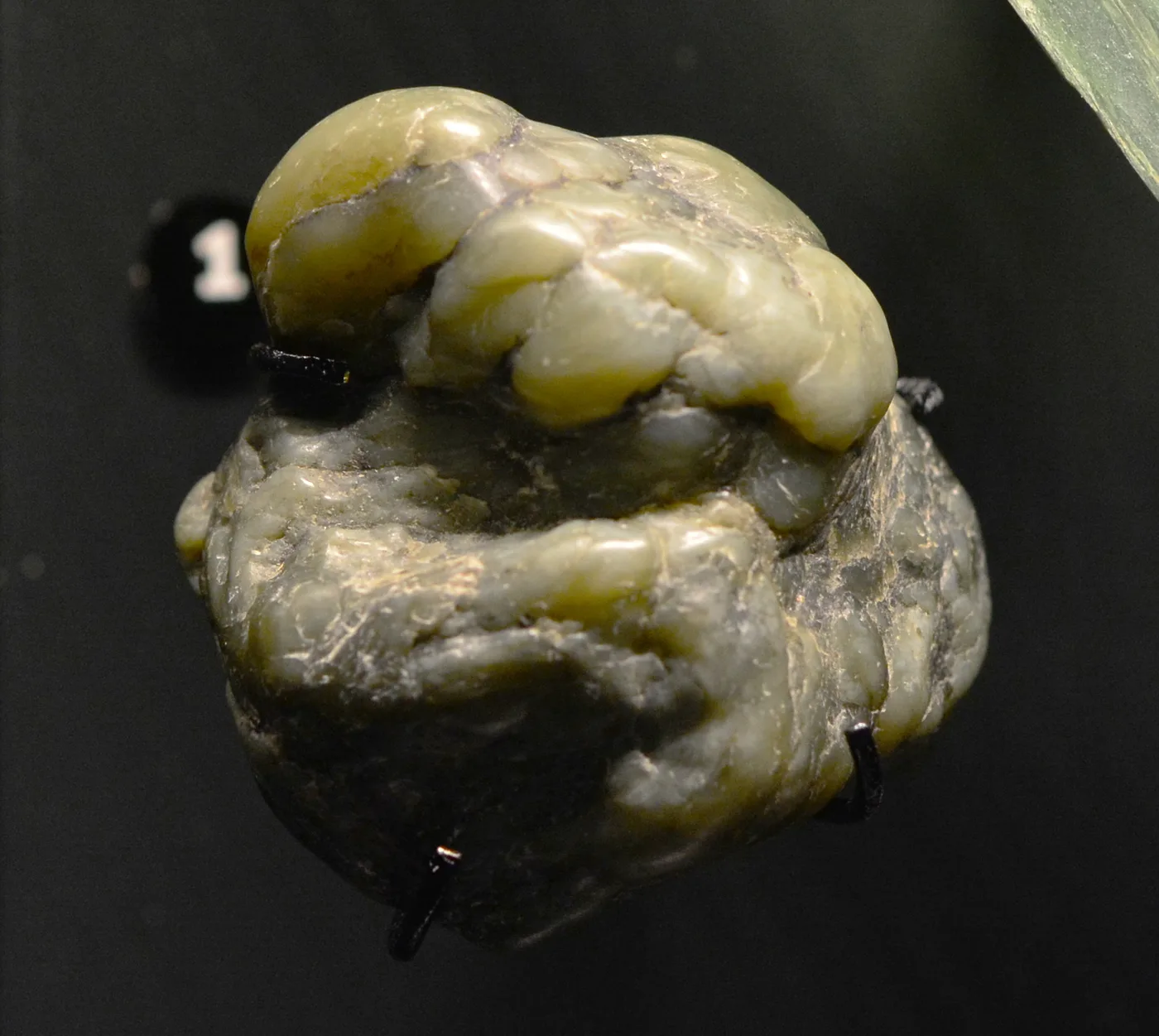
Jadeite
Chemical formula – NaAlSi₂O₆
Hardness – 6.5–7
Colour – green, grey, white, brownish, bluish, lavender, blackJadeite and nephrite were long taken for one mineral and sold under a single word, "jade". Today that word names a group that holds both stones. Chemically they are entirely different: nephrite is an amphibole, jadeite a pyroxene.
The most expensive and rarest jadeite is the deep, vivid green stone known as imperial jade. Jadeite is usually tied to green, yet it comes in other tones too: white, grey, lavender, black and brownish. That range is exactly what separates it from nephrite, which stays almost always within green and yellowish shades.
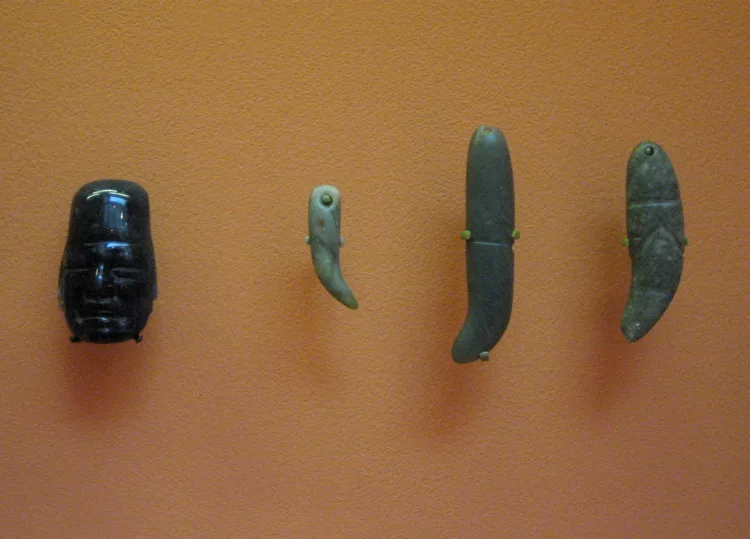
The name came from the Spanish "piedra de ijada", the stone of the flank, after settlers saw local people wearing it at the side during illness. In Chinese jadeite is "yu", meaning "paradise-like". For the Maya and the Aztecs it was one of the most treasured stones, and its toughness made it useful for tools and weapons as well. The Maori tradition of New Zealand, often attributed to "jade", actually rests on nephrite.
Origins
Jadeite is mined in Japan, Canada, Guatemala, Kazakhstan, Russia, Turkey, Cuba and the United States. The main source of top-grade, imperial-type material is Myanmar.
Properties
Esoteric tradition calls jadeite the dream stone. In the past it was believed to help a person travel through the world of spirits, so it was used in ritual knowledge, to strengthen creativity and to recall dreams.
Modern esoteric writers treat jadeite as a stone of luck that draws friends, and say it brings calm and harmony into a life.
Traditional healing properties
Lithotherapists link jadeite with the reproductive organs, bones, pain, the heart and the blood. It is said to be used for high blood pressure and cramps.
This describes traditional practice, not medical advice. A stone does not replace a doctor.
Chakras
Fourth chakra – anahata, the heart.
Green and white jadeite are tied to the heart chakra, while the lavender variety is often placed at the third eye.
Zodiac
Tradition ties jadeite to Libra, since balance and harmony are the stone's main qualities. It also suits Taurus, for whom visible beauty matters, and Pisces, with their intuition and soft strength.
In Charcho jewellery
We use jadeite mainly as cabochons or beads, because its glassy lustre shows best on a flat surface. There is no ready-made piece in the catalogue yet, but we make them to order. Catalogue: necklaces.
Real or fake
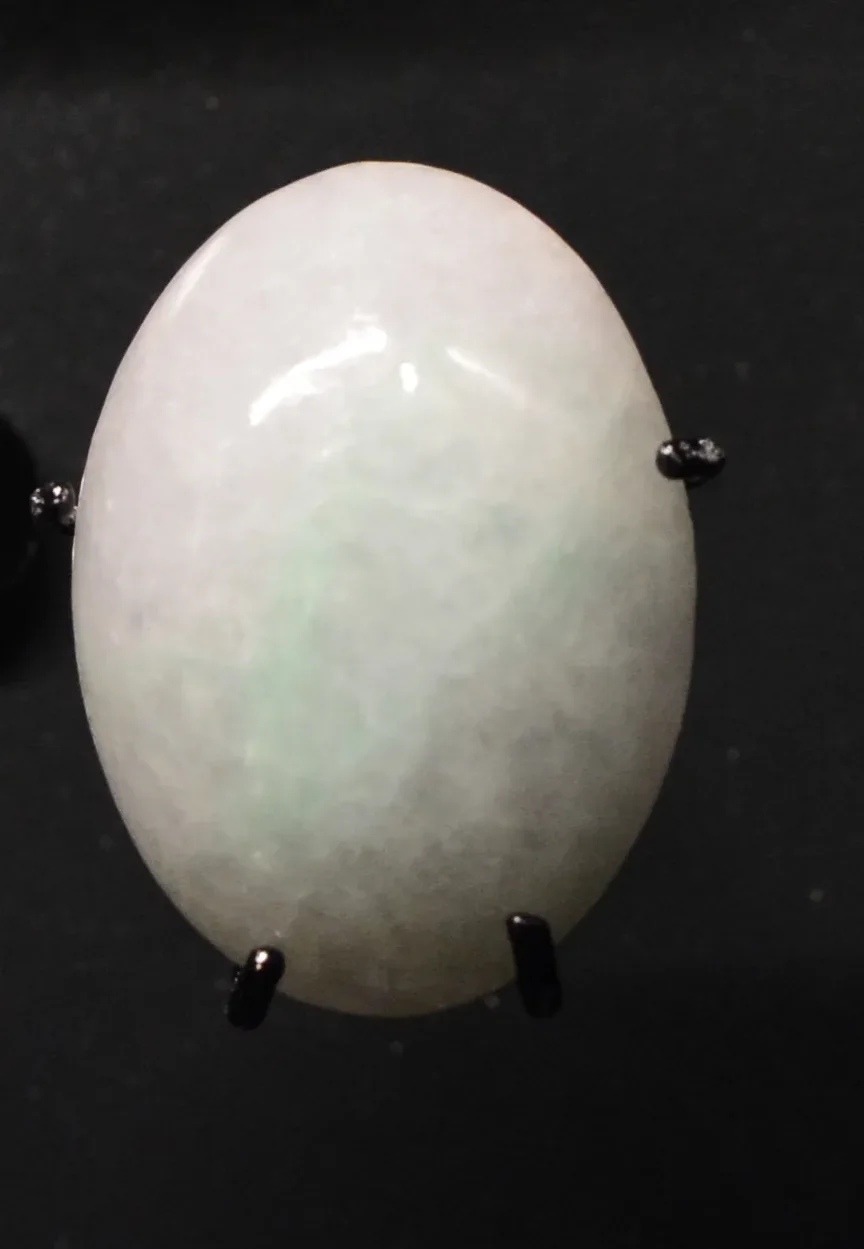
- Jadeite is harder than nephrite (6.5–7) and more translucent; its lustre is glassy, while nephrite's is greasy.
- The trade marks treated jadeite in three grades: A is natural and untreated, B is polymer-impregnated, C is dyed. B and C cost far less and change colour over time.
- "Korean", "Malaysian" or "Amazon jade" is not jadeite: it is usually dyed serpentinite, chalcedony or quartz.
- In a dyed stone the pigment settles in the network of cracks, which is easy to see under magnification.
Care
Hardness 6.5–7 allows daily wear, but jadeite still chips on impact, so a ring needs extra care. Warm water, mild soap and a soft cloth are enough; dyed or polymer-treated pieces dislike ultrasonic cleaning and steam.
See also
-
Rhyolite
Chemical formula – SiO₂ + K₂O
Hardness – 6–7
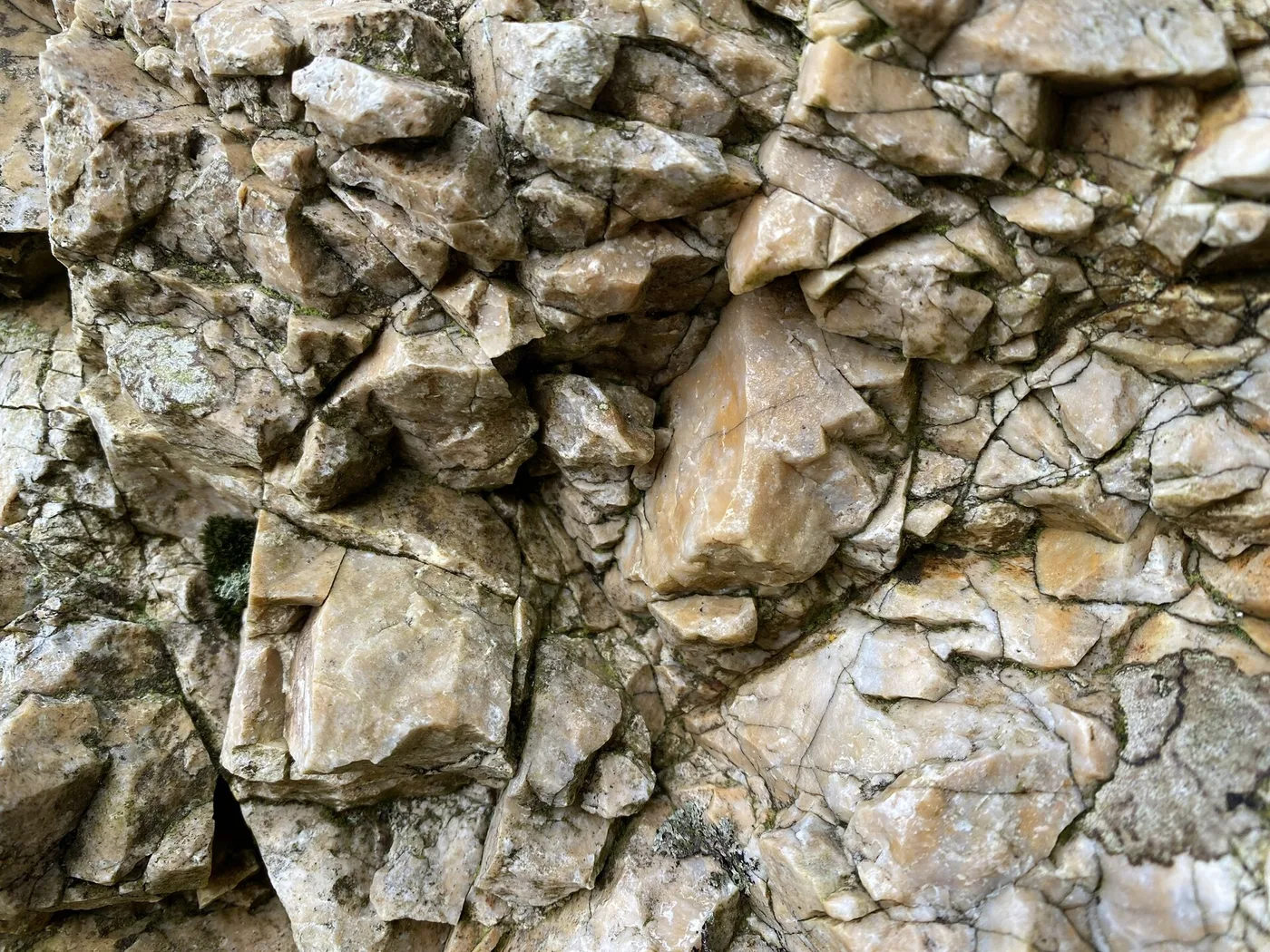
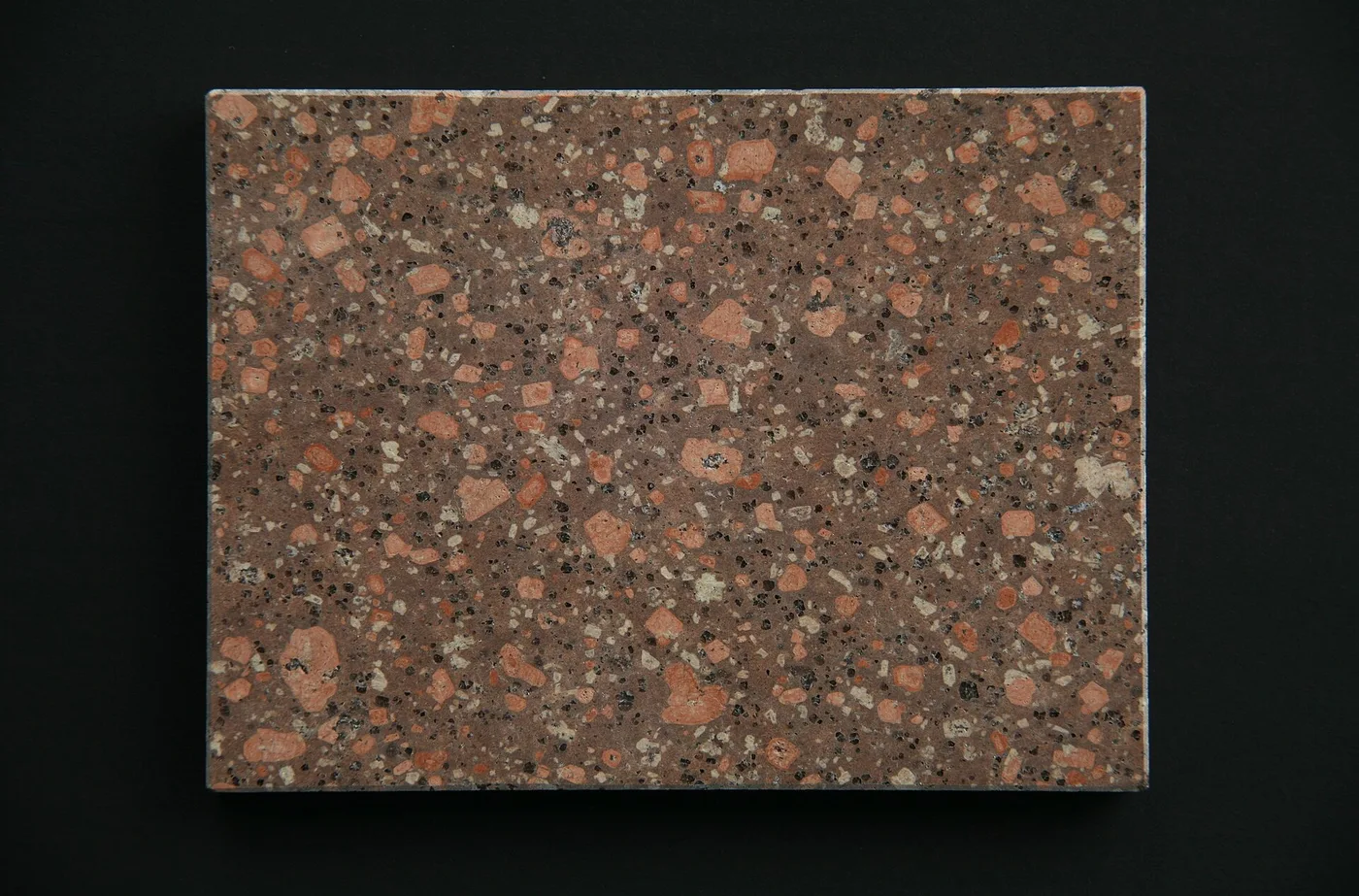
Colour – green, lettuce green, mottledRhyolite is not a mineral but a volcanic rock, formed when lava cools quickly. Its base is quartz alongside potassium feldspar, which is why the formula is usually written in two parts.
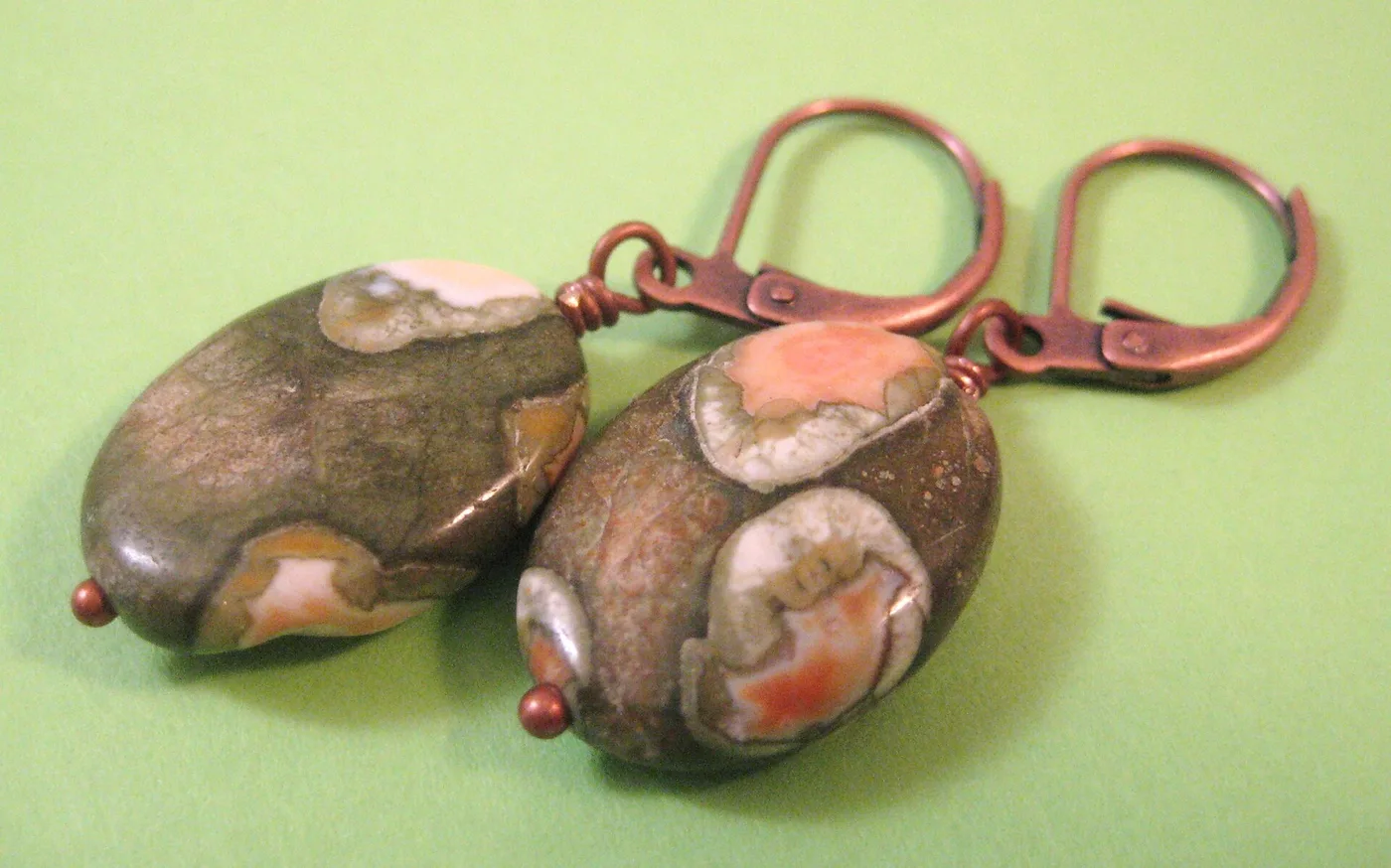
In jewellery it appears with narrow bands and small rounded spots. Those spots give the stone the look of forest undergrowth and produced its second, trade name.
The name comes from Greek: "rhyax" means a stream of lava, "lithos" means stone. In the trade rhyolite is often sold as "rainforest jasper", although it is not jasper at all: jasper is microcrystalline quartz, rhyolite a volcanic rock. In colour and pattern the two really are close.
Price follows the pattern. Ordinary beads are cheap, a large cabochon with strong contrast costs more. The market also holds plenty of pieces with artificially boosted colour.
Origins
Rhyolite is mined in volcanically active regions. Today the largest suppliers are Australia and India; the stone is also found in Mexico, Germany and the United States.
Properties
Esoteric writers say rhyolite helps its owner come to know themselves and make the most of the abilities and chances at hand. It is considered a good stone for raising self-esteem.
Rhyolite is tied to the heart chakra, and is said to bring love and healthy relationships into a life. It is called a stone of regeneration: the claim is that it helps a person feel and look younger.
In esoteric circles even carrying a small piece is believed to sharpen concentration. It is recommended to teachers, builders, musicians, directors and actors. It is said to help people stop circling one spot, live in the present and enjoy the moment.
Traditional healing properties
Lithotherapists say rhyolite strengthens immunity and helps with problems of the kidneys and liver.
This describes traditional practice, not medical advice. A stone does not replace a doctor.
Chakras
Fourth chakra – anahata, the heart.
Because of its green tones rhyolite is usually treated as a heart-chakra stone, though some practitioners also place it at the third eye.
Zodiac
Tradition ties rhyolite to the fire signs. First of all Aries, a sign that takes to movement and fresh starts by nature. The stone also suits Leo and Sagittarius, whose character fits the energy of a volcanic rock.
In Charcho jewellery
Rhyolite works well as cabochons and beads: the mottled pattern makes every piece unique, so no two necklaces are alike. There is no ready-made item in the catalogue yet, but we make them to order. Catalogue: necklaces.
Real or fake
- "Rainforest jasper" is rhyolite, not jasper. A seller using both names is not necessarily cheating, but the two terms should not be mixed up.
- Natural rhyolite green is earthy — olive or lettuce green with brown and black spots. A harsh, chemical green should raise suspicion.
- In a dyed piece the pigment gathers in cracks and pores; in a natural one the colour shifts with the body of the stone.
- A glass or resin imitation warms up quickly in the hand and scratches easily with a needle.
Care
Hardness 6–7 allows daily wear. Warm water and mild soap are enough; keep it away from acids and chlorine. A dyed piece will fade in long sunlight.
See also
-
Prehnite
Chemical formula – Ca₂Al(AlSi₃O₁₀)(OH)₂
Hardness – 6–6.5
Colour – green, lettuce green, yellowishPrehnite was the first gemstone named after a person: described in 1788, it took its name from Colonel Hendrik von Prehn. It was also the first stone to become popular out of South Africa, which today is one of the biggest suppliers of precious and semi-precious material.
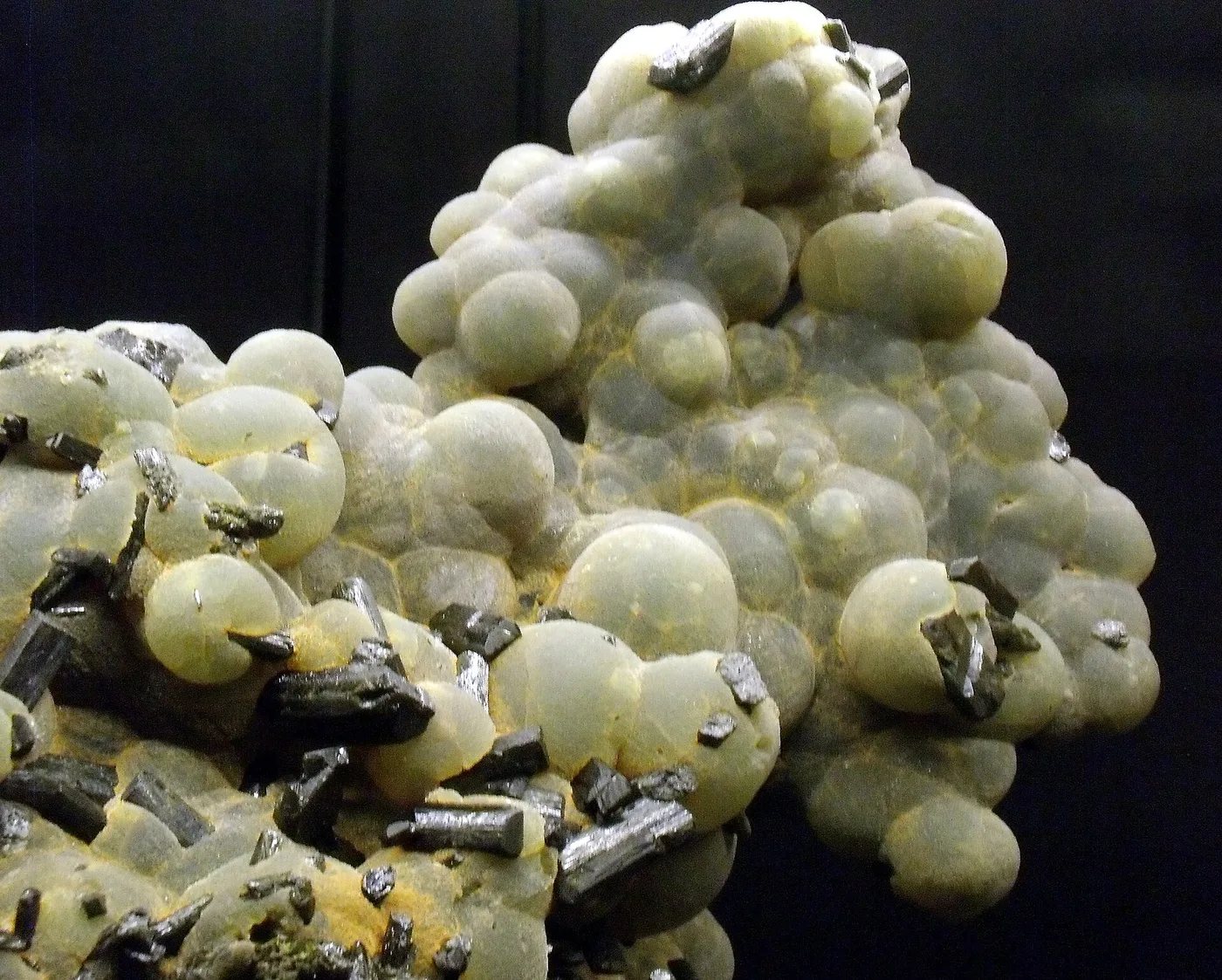
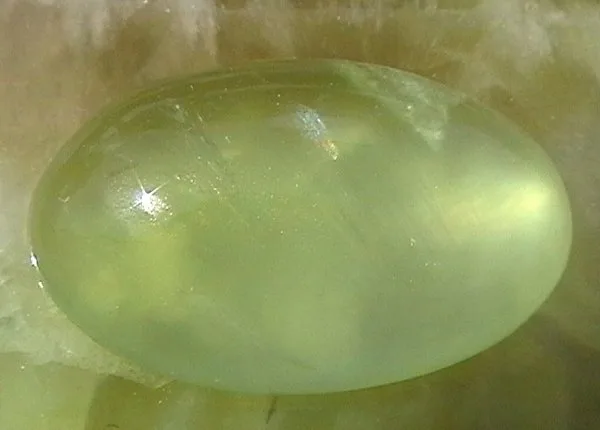
Prehnite is not quartz, although it is often called "green hairy quartz" — a wrong name that muddles buyers. It is an aluminium silicate, frequently shot through with black epidote needles that give the stone a netted look. The colour is mostly pale green, sometimes with a yellow cast.
Prices read simply: light translucent pieces are cheap, while apple-green, clean and transparent stones cost noticeably more. Prehnite was long considered rare, until new deposits made it widely available.
Origins
Prehnite is mined in South Africa, Mali, Australia, Canada, China, Germany, Scotland and France. At some deposits it occurs together with epidote, which is where the green stone with black needles comes from.
Properties
Esoteric writers hold that even a single piece of prehnite is useful: the stone helps activate the subconscious and catch everyday danger in time. It is regarded as the best aid for visualisation and is used in deep meditation.
Because it belongs to the heart chakra, prehnite is said to bring love into a life. The stone is thought to help personal growth and the search for oneself — especially when someone is moving into a new stage of life.
Traditional healing properties
Lithotherapists consider prehnite particularly suited to people troubled by stress and fatigue. It is said to strengthen immunity, settle metabolism and steady blood pressure.
This describes traditional practice, not medical advice. A stone does not replace a doctor.
Chakras
Prehnite is linked to the fourth, heart chakra – anahata.
Zodiac
Tradition ties prehnite to Libra, a sign that cares about harmony and relationships by nature. It also suits Virgo, whose character fits the stone's calm, waiting energy.
In Charcho jewellery
We do not have a ready-made prehnite piece in the catalogue yet, but we make them to order — you choose the bead size and shade. Catalogue: necklaces.
Real or fake
- "Green hairy quartz" is a misnomer: prehnite is not part of the quartz family. If a seller offers it as quartz, be suspicious.
- Natural prehnite usually shows black epidote needles and cloudy, uneven patches; glass either has none or spreads them too evenly.
- Dyed quartz tends to be very uniform in colour. Prehnite's hardness of 6–6.5 means a sharp edge marks it easily — soft stones are less often imitated.
Care
Hardness 6–6.5 makes prehnite softer than quartz: keep it from scratches and household chemicals. Warm water, a soft cloth and mild soap are enough. Tradition calls for cleansing the stone once a month — sometimes leaving it on a houseplant or on the ground, and charging it with rose quartz and clear quartz.
See also
-
Purpurite
Chemical formula – MnPO₄
Hardness – 4–5
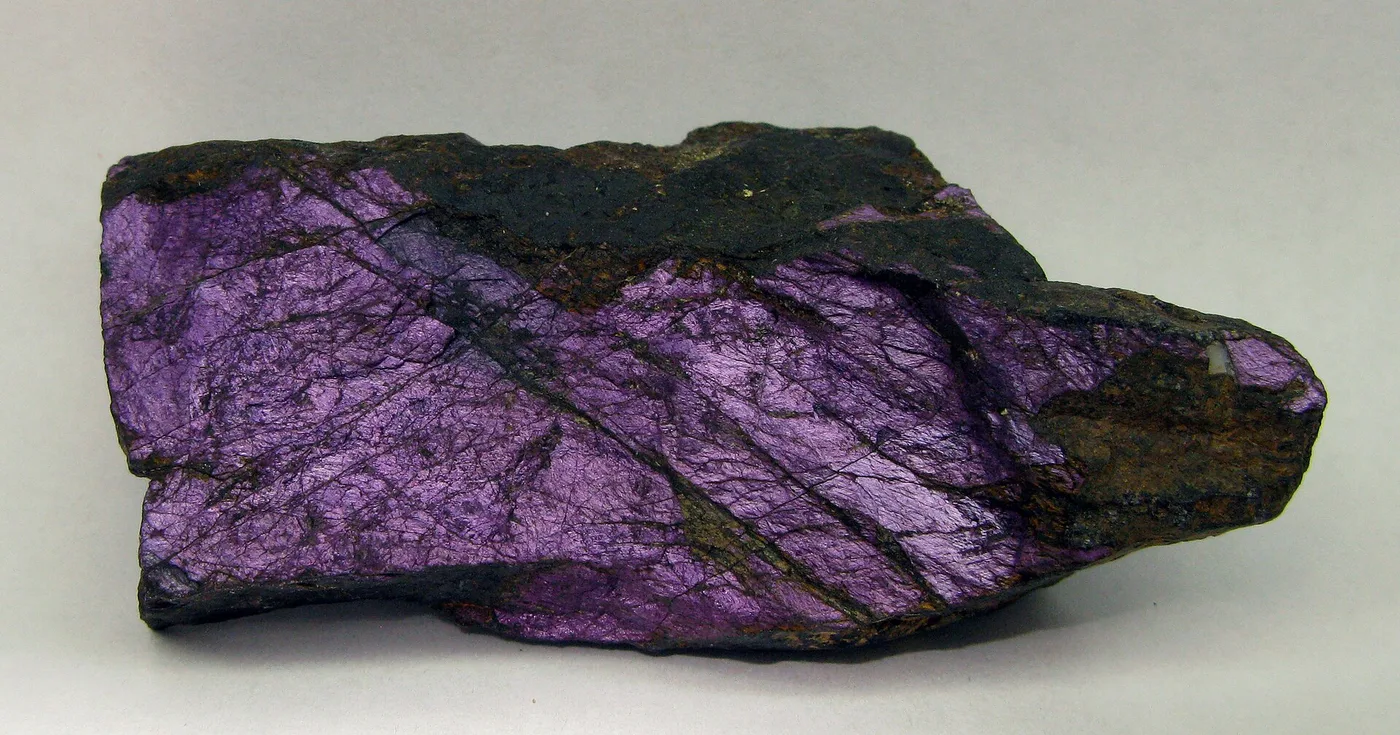
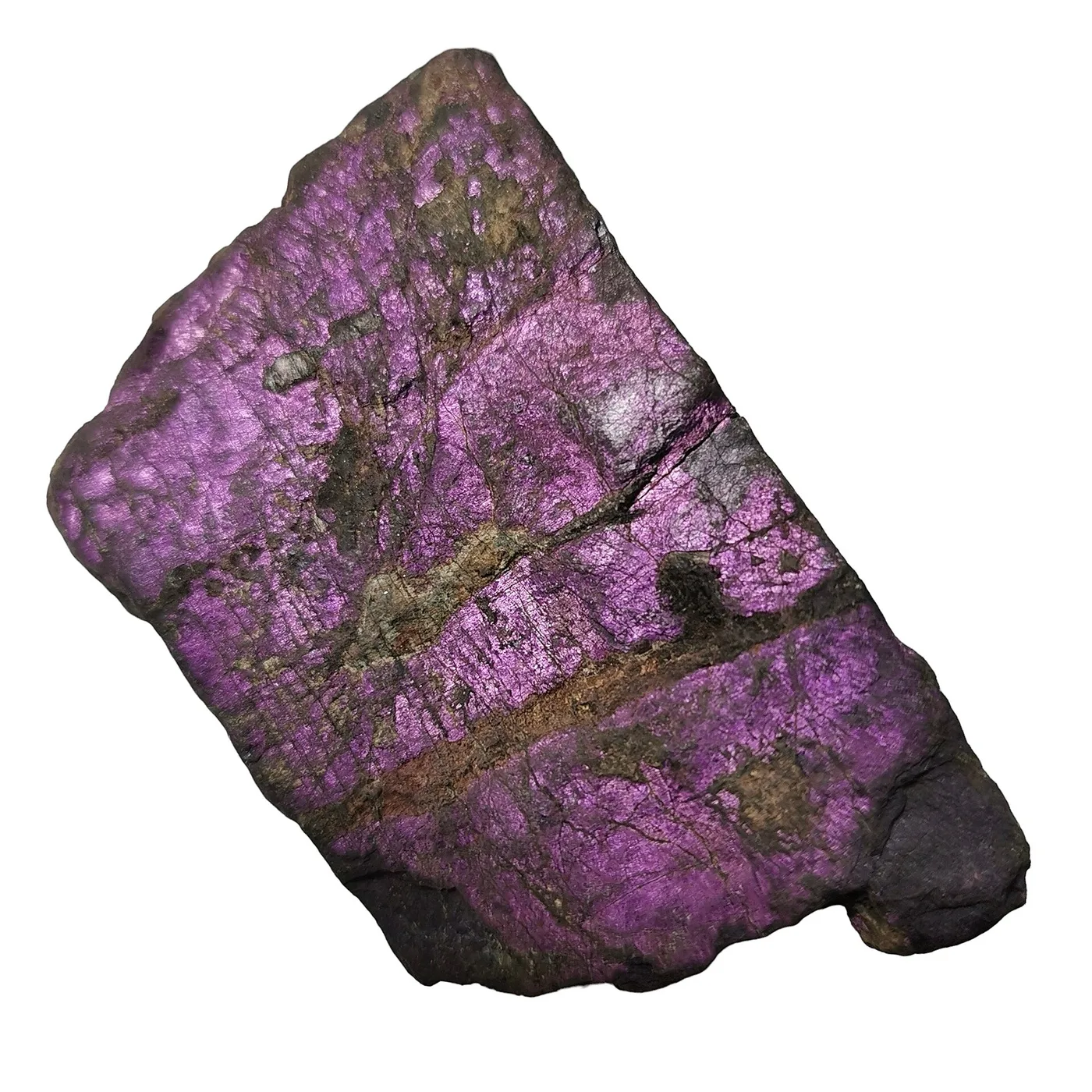
Colour – violet, purple, pinkish-redPurpurite belongs to the rare minerals and is a manganese phosphate. In nature it almost never forms crystals: it comes as massive, dense lumps that are later cut, polished and set in jewellery. The main tone is deep violet, though lilac, pinkish and reddish shades turn up as well.
The name goes back to the Latin "purpura", meaning purple. The stone is rare, yet it still costs less than charoite and sugilite, so the market often works the other way round: purpurite is sold under the names of those two expensive stones. Visually they really are close — all three are purple, all three have a rough, massive surface.
When cut, purpurite usually becomes a cabochon, because a flat, smooth surface shows the colour best. A large clean violet piece is rare and expensive; small beads stay quite affordable.
Origins
The largest deposits of purpurite are in Australia, France, Namibia and the United States. The stone forms in the upper, oxidised zone of manganese-bearing pegmatites, where rainwater slowly replaces the original mineral.
Properties
Because of its colour, purpurite is treated as a clean, spiritual stone. Esoteric writers say it calms the wearer, releases stress and stored anger, and supports personal growth. It is said to make clear speech, quick focus and sober reasoning easier.
The stone is believed to help put thoughts into the right words, to add self-confidence and to strengthen faith in one's own goal. Tradition especially recommends it to people who write a lot or speak in public.
Traditional healing properties
Lithotherapists hold that purpurite helps bruises heal faster, supports the heart and lungs and steadies the pulse. Older practice also used it for long-lasting fatigue.
This describes traditional practice, not medical advice. A stone does not replace a doctor.
Chakras
Sixth chakra – ajna, the "third eye".
Tradition links this chakra with intuition and mental clarity, which matches purpurite's reputation as a stone of clear thought. Some practitioners wear it at the throat or on the forehead.
Zodiac
Tradition counts purpurite as a Virgo stone: a sign that values detail and precision sits well with a stone said to tidy the mind. Gemini and Capricorn can wear it too, though astrologers stress there is no strict rule here.
In Charcho jewellery
We do not have a ready-made piece in purpurite yet, but we make them to order: the stone is cut as a cabochon or into beads, and you choose the size and shade. Catalogue: necklaces.
Real or fake
- Purpurite is often sold as charoite or sugilite, yet these are three different minerals: charoite is a complex silicate, sugilite a lithium silicate, purpurite a phosphate.
- A natural lump almost always carries brown or black patches where iron remains. A perfectly even, bright violet surface should raise suspicion.
- Dyed howlite or magnesite gives itself away with a cotton-like texture, while the dye collects in cracks and pores.
Care
Hardness 4–5 means the stone is soft and brittle: keep it away from sharp edges and harder jewellery. Purpurite is porous, so long soaking, ultrasonic cleaning and steam are unnecessary — a dry soft cloth is enough.
See also
-
Pyrope
Chemical formula – Mg₃Al₂(SiO₄)₃
Hardness – 6.5–7.5
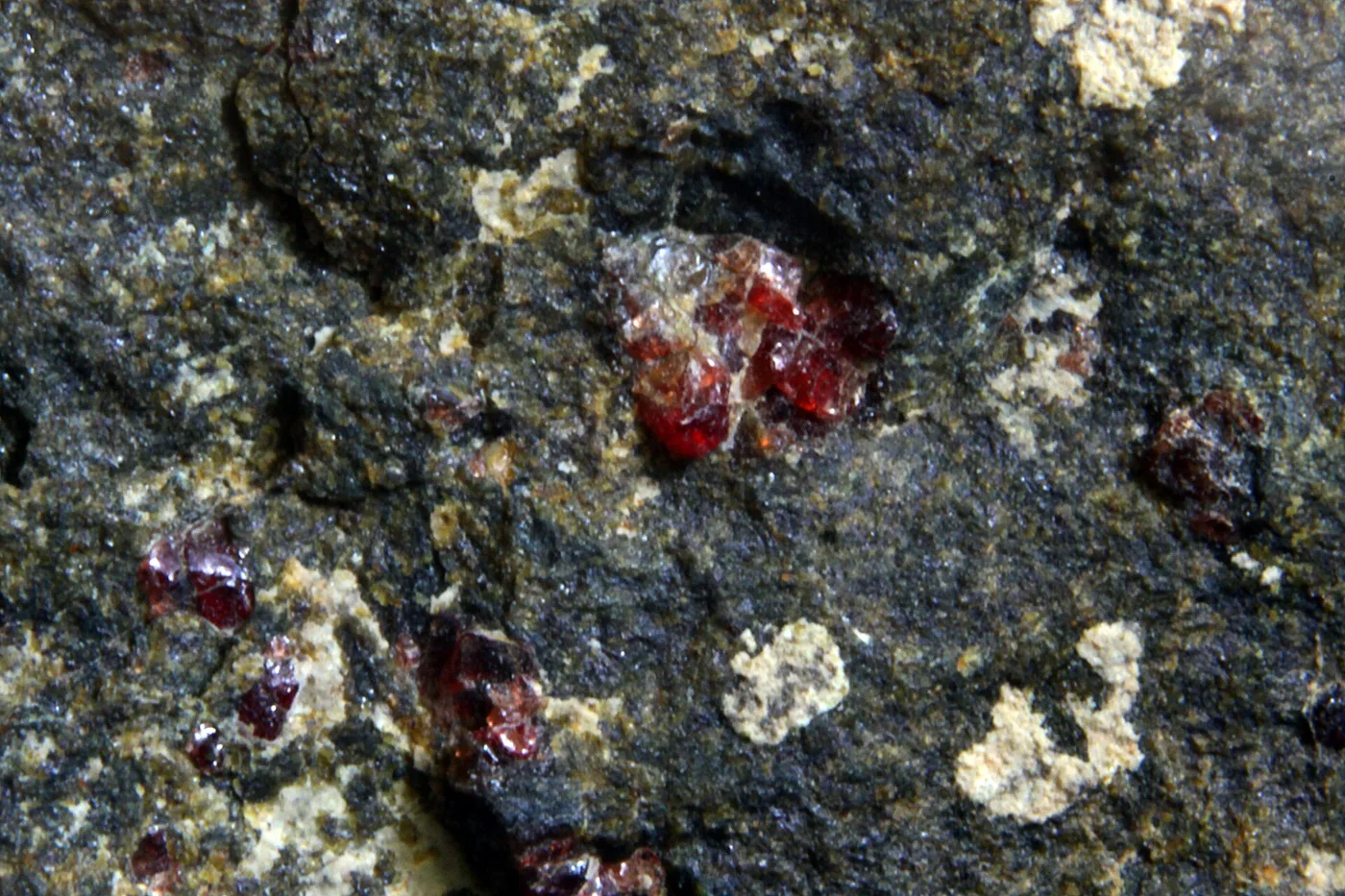
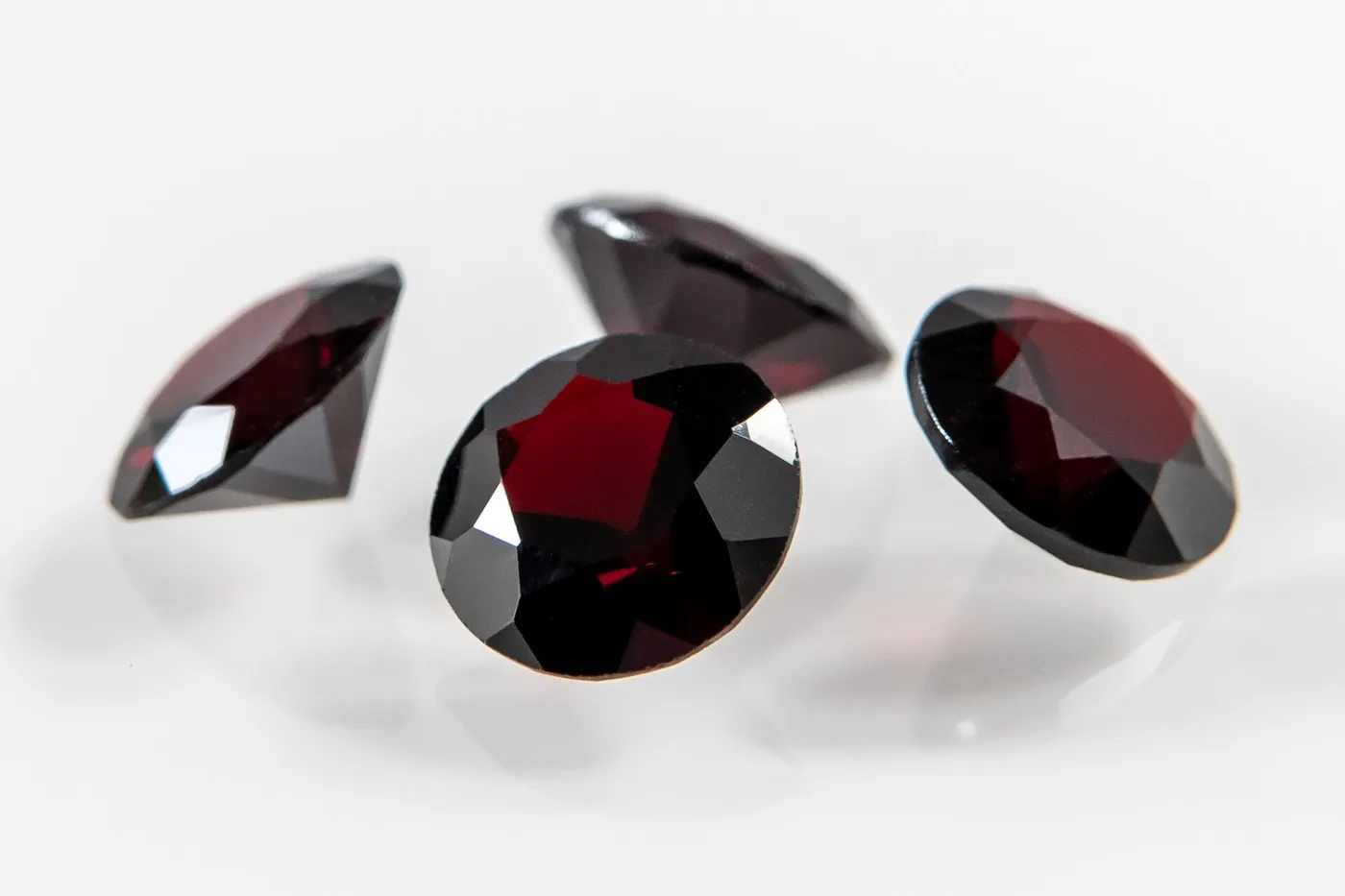
Colour – red, dark red, claretPyrope is one of the best-known members of the garnet group. Its deep red comes from traces of chromium and iron, and it often reads as ruby-like, though the tone is noticeably darker and heavier.
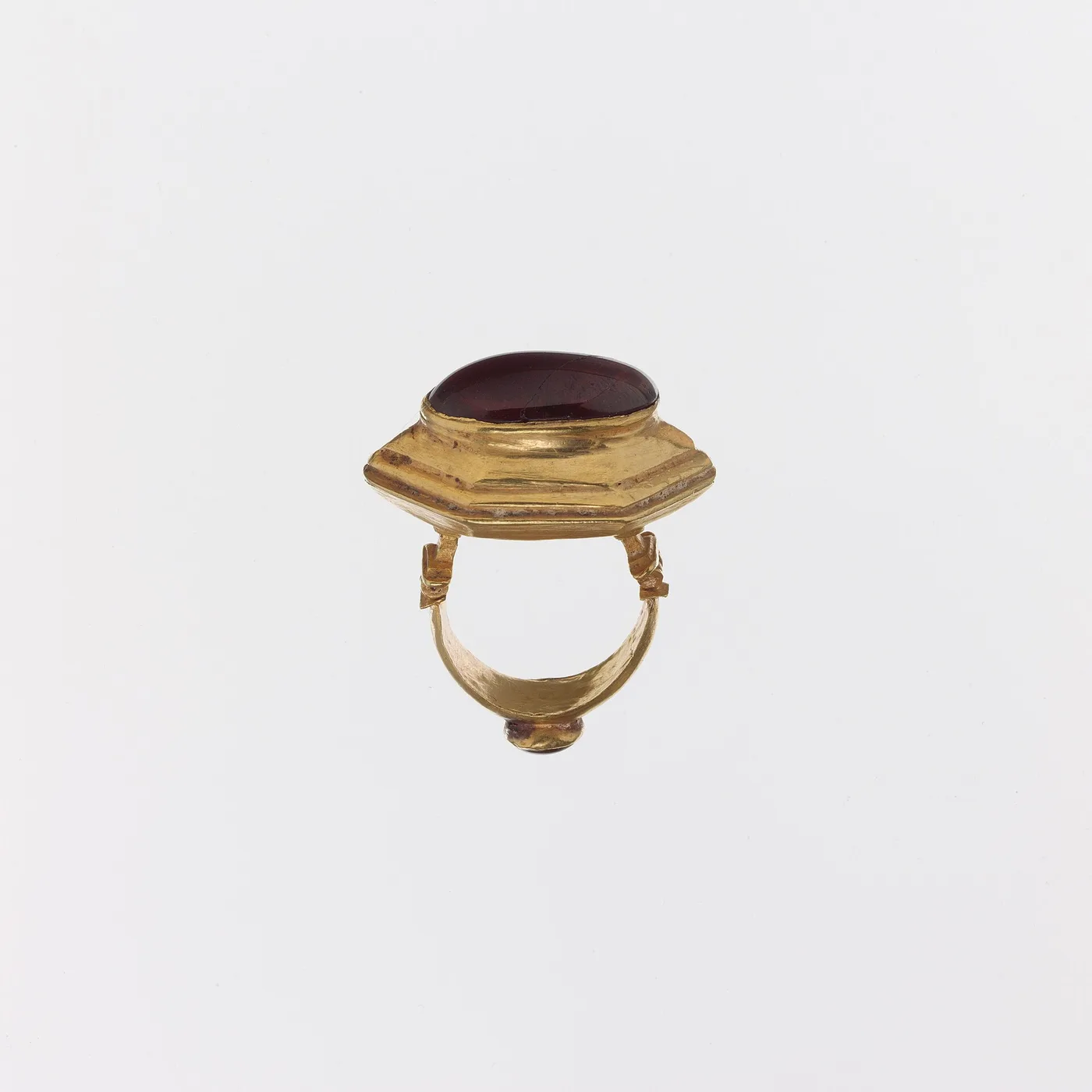
The name comes from the Greek "puropus", the fire eye. Egyptians used pyrope in rituals and protective jewellery, and Romans wore it in signet rings. From the Middle Ages the Czech stone, sold as "Bohemian garnet", became one of the main gems of the European market.
Prices are straightforward: dark, almost claret stones are inexpensive, while clean bright red and large pieces are rare and costly. Jewellery most often uses small but well-polished pyropes — the same kind that sat in old signet rings.
Origins
Pyrope comes from China, South Africa, Sri Lanka, Tanzania, Madagascar, the Czech Republic and the United States. The Czech deposits are historic; the South African ones are among the most productive today.
Properties
Pyrope is held to carry the energy of life force and purpose. Its bright colour is said to push a person toward optimism and a fuller understanding of things, which is why it is often called the stone of movement and passion.
Esoteric writers use pyrope for courage and strength. Worn at work, it is said to help its owner finish tasks sooner without burning extra energy, and it is credited with sharpening concentration, focus and diligence. Because the energy is strong, constant wear is not advised — better to save it for particular occasions or demanding days.
Traditional healing properties
Lithotherapists say pyrope supports circulation, heart function and digestion. It is used to ease fatigue and stress, and is credited with supporting immunity.
This describes traditional practice, not medical advice. A stone does not replace a doctor.
Chakras
Pyrope is linked to the first, root chakra – muladhara, the fourth, heart chakra – anahata, and the seventh, crown chakra – sahasrara.
Zodiac
Tradition makes pyrope the stone of Sagittarius, a sign that moves and burns by nature. It also suits Leo and Aquarius, whose character matches the stone's fiery quality.
In Charcho jewellery
We do not have a ready-made pyrope piece in the catalogue yet, but we make them to order — you choose the bead size and the cut. Catalogue: necklaces.
Real or fake
- Pyrope is not ruby: ruby has hardness 9, pyrope 6.5–7.5. Pyrope is darker with a brownish-red cast and does not shift colour in different light, while ruby shows two visible tones.
- Glass imitations and doublets are common. A natural stone shows fine inclusions and natural cracks; glass shows bubbles and a colour that is too clean.
- A very bright, very clean and very cheap "pyrope" should raise suspicion — stones of that quality are not cheap.
Care
Hardness 6.5–7.5 takes daily wear, but a sharp knock damages the stone easily, so wear it in a ring with care. Warm water, a soft brush and mild soap are enough; pieces with cracks should not go into an ultrasonic or steam cleaner.
See also
-
Prasiolite – green amethyst
Chemical formula – SiO₂
Hardness – 7
Colour – lettuce green, pale green, greenPrasiolite is the rarest transparent green variety of quartz, and much of it is sold as "green amethyst". Its colour is pale and grassy — not the sharp green of emerald but a soft, almost tea-like shade that gives the stone a calm look.
In nature prasiolite is scarce: it forms where the rock around an amethyst deposit heats the stone naturally. The old mines are all but worked out, so most prasiolite on the market is heat-treated amethyst, usually from Brazil's Montezuma deposit. Not every amethyst responds that way — it takes the right composition and an exact temperature.
Price follows colour and clarity: pale, faint stones are cheap, while a saturated green and a large clean stone are expensive. Because so little material is mined, big cut stones rarely appear in jewellery.
Origins
Natural prasiolite deposits are few and are mostly tied to Brazil and Zambia. The rest of the market is heat-treated amethyst from the Montezuma deposit in Brazil.
Properties
Tradition treats prasiolite as a stone of love, joy, happiness and health. It is said to give a person back a sense of freedom, to fill them with positive energy and vitality and, as a green stone, to draw luck and success.
Prasiolite is thought to suit creative people in particular: esoteric writers say it strengthens imagination and inventiveness and offers a new angle when a problem looks stuck.
Traditional healing properties
Lithotherapists say prasiolite supports the work of the brain. It is used for memory, intuition and quick thinking, and to support the heart and circulation.
This describes traditional practice, not medical advice. A stone does not replace a doctor.
Chakras
Prasiolite is linked to the fourth, heart chakra – anahata.
Zodiac
Astrologers say that, like amethyst, prasiolite works especially well for Aquarius and Pisces. Tradition nonetheless allows other signs to wear it — the stone is not "contraindicated" for anyone.
In Charcho jewellery
We do not have a ready-made prasiolite piece in the catalogue yet, but we make them to order — you choose the bead size and shade. Catalogue: necklaces.

Real or fake
- Heat treatment is not faking: it is the usual way prasiolite is produced, and most of the market is exactly that. What matters is that the seller does not hide it.
- Colourless quartz or glass is sometimes dyed green and sold as prasiolite. A natural stone shows uneven colour and fine inclusions.
- Prasiolite fades in sunlight — normal, and it does not make the stone a fake. Just do not leave the piece on a windowsill for months.
Care
Hardness 7 allows daily wear. Keep it away from long sun exposure and strong heat so the colour holds. Warm water, a soft cloth and mild soap are enough; pieces with cracks should not go into an ultrasonic cleaner.
See also
-
Opal
Chemical formula – SiO₂·nH₂O
Hardness – 5.5–6.5
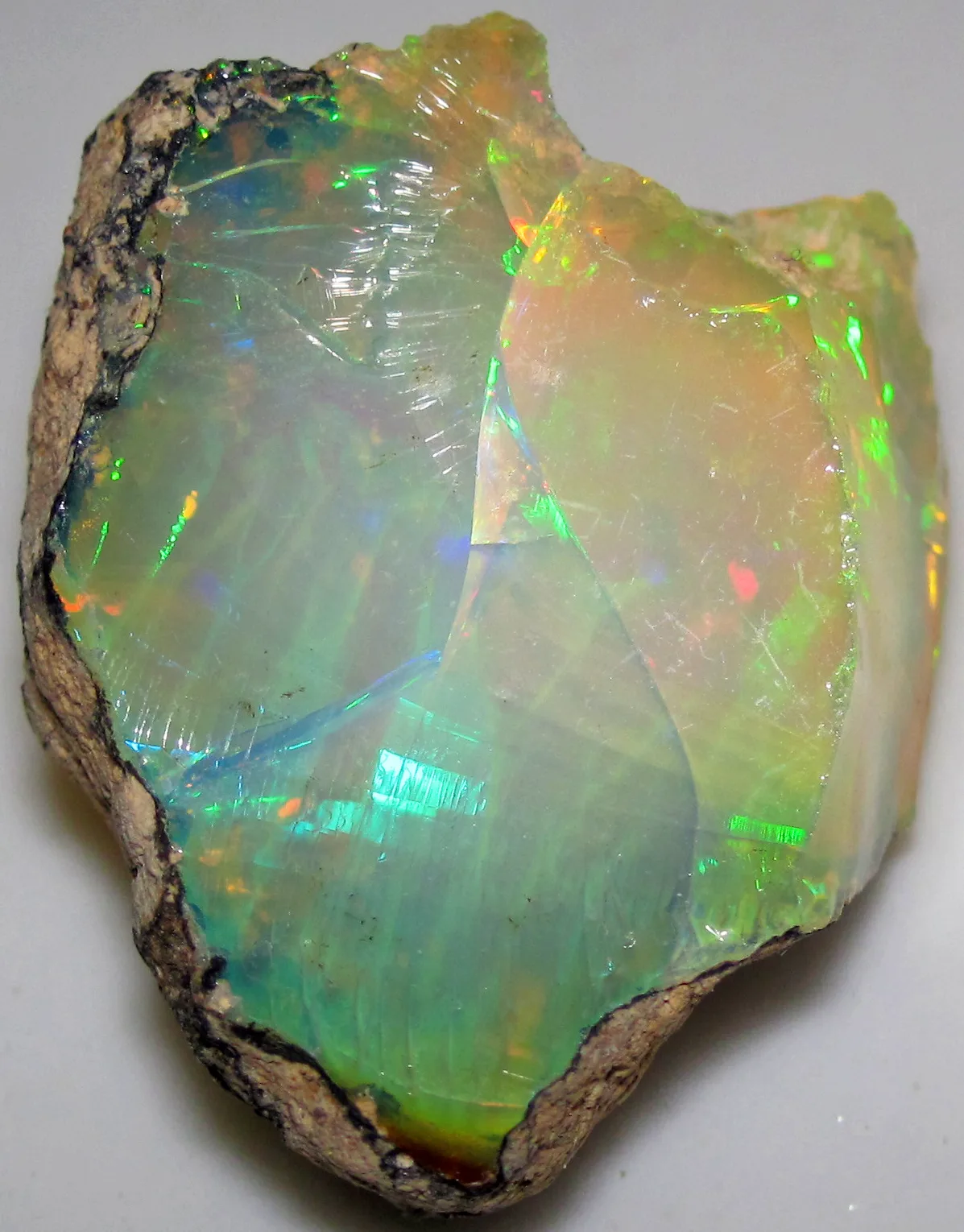
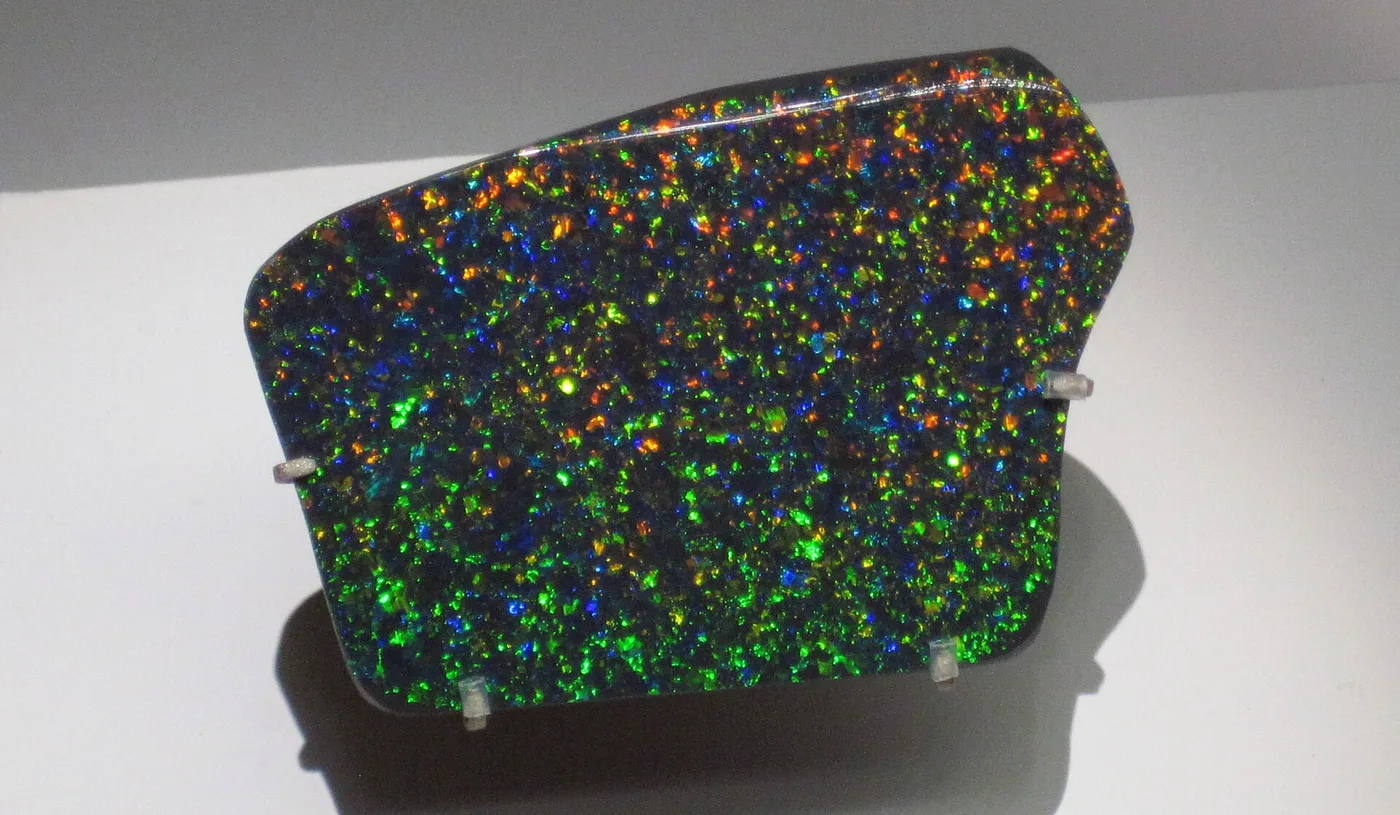
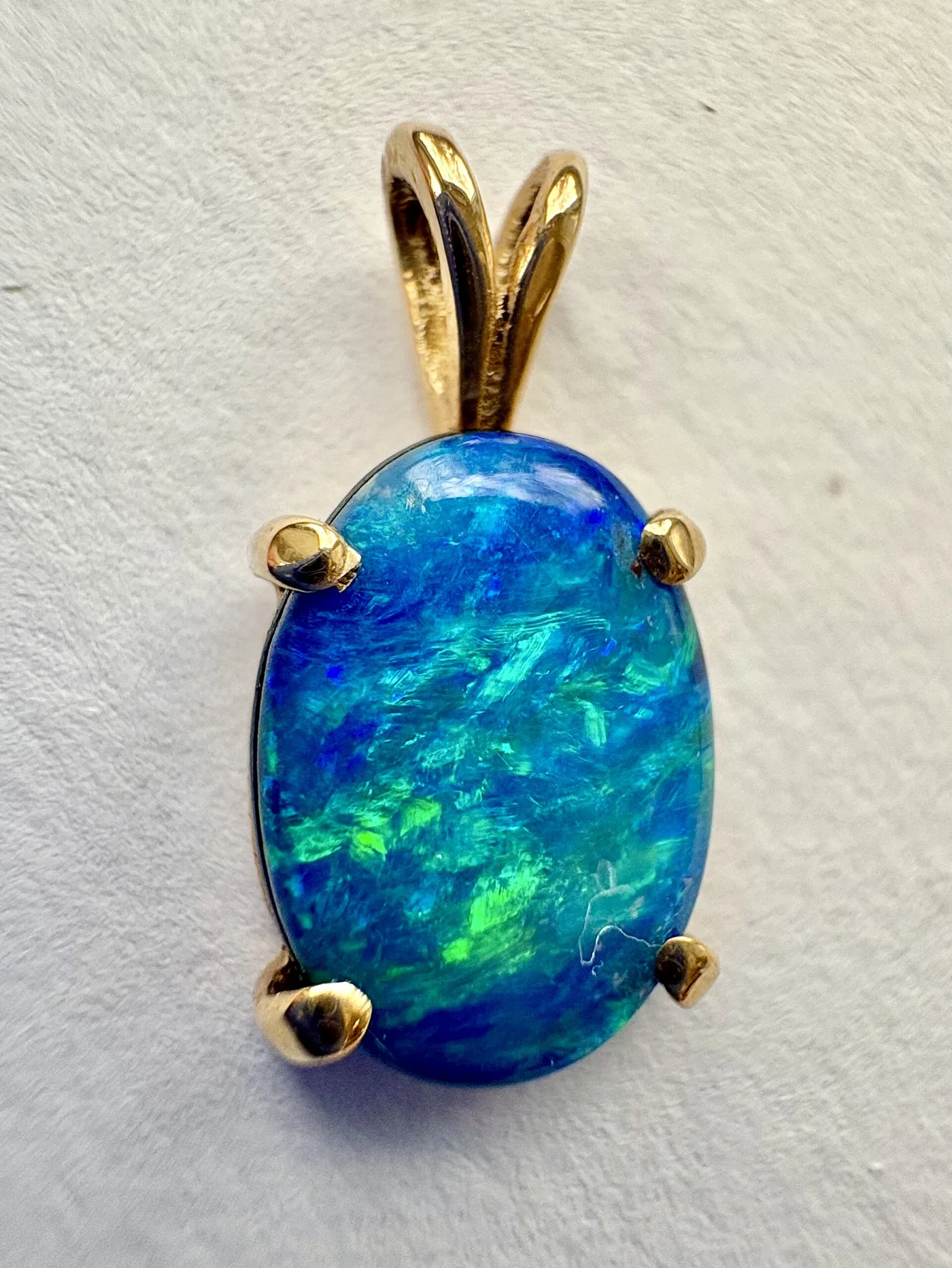
Colour – white, black, blue, pink, orange, colourlessOpal is a silica hydrate: a compound close to quartz but with water locked inside, often three to ten per cent of its weight. That water, plus an orderly stack of microscopic silica spheres, produces opal's signature — play of colour, where the stone flashes blue, green or red as it turns. Other gems get colour from pigment; opal gets it from diffracted light.
The name comes from the Sanskrit "upala", meaning stone. Opal is Australia's national gem, and that country supplies roughly 97 per cent of the world's material. The trade sorts it into three groups: precious opal with play of colour, fire opal in orange tones, and common opal with no colour flash at all.
Price follows those groups: common milky opal is cheap, fire opal sits in the middle, and black opal with bright flashes on a dark body is the rarest and most expensive. Peruvian blue and Ethiopian opal are categories of their own — the first dislikes cold and sudden temperature change, the second reacts to water.
Origins
Australia is the main supplier. Opal also comes from Brazil, Ethiopia, Indonesia, Japan, Mexico, Russia and the United States. Ethiopian deposits were found in 2008 and now supply a serious share of the market.
Properties
Tradition treats opal as a stone of calm and optimism. In some cultures milky opal was called "the milk of the goddess" and worn as a protective talisman — it is said to soothe its wearer and bring joy into daily life.
Esoteric writers see black opal as a stone that lifts fears and phobias and gives back strength and self-worth. Peruvian opal is used to settle children and to soften old trauma, while the pink variety is credited with a gentle, feminine energy.
Traditional healing properties
Lithotherapists connect opal with the nervous system and the heart area. It is said to release emotional tension, help work through old feelings and ease communication. Peruvian opal is also credited with better sleep.
This describes traditional practice, not medical advice. A stone does not replace a doctor.
Chakras
An opal's chakra follows its colour: black — the first, muladhara; fire and orange — the second, svadhisthana; pink — the fourth, anahata; blue — the fifth, vishuddha; white — the seventh, sahasrara.
Zodiac
Tradition makes opal the stone of Libra and the birthstone of October. It also suits Pisces, whose character matches the stone's soft, watery nature.
In Charcho jewellery
We do not have a ready-made opal piece in the catalogue yet, but we make them to order — you choose the bead size and the type of opal. Catalogue: necklaces.
Real or fake
- The market carries plenty of synthetic opal and of doublets or triplets, where a thin opal layer is glued onto glass or quartz. Seen from the side, the glue line shows.
- In a natural stone the play of colour comes from inside and shifts as you turn it; a printed or painted pattern stays put.
- A very low price is the first warning sign. Natural opal, black opal above all, is never cheap.
Care
Hardness 5.5–6.5 means opal is soft and brittle: protect it from knocks and scratches, and wear it in a ring with care. Ultrasonic and steam are out, as are hot water and sudden temperature swings — the stone can craze. Never soak Ethiopian opal. Store it separately, and not somewhere bone dry.
See also
-
Pyrite
Chemical formula – FeS₂
Hardness – 6–6.5
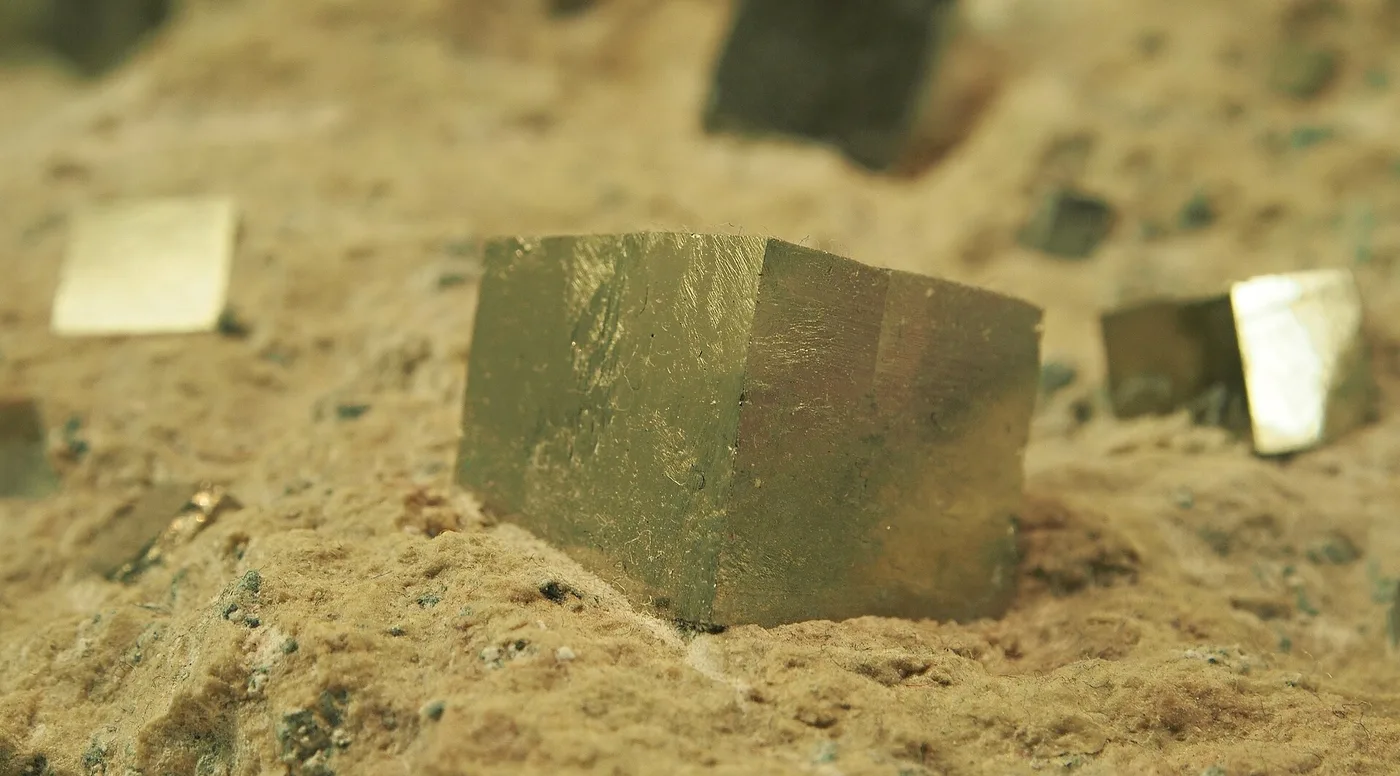
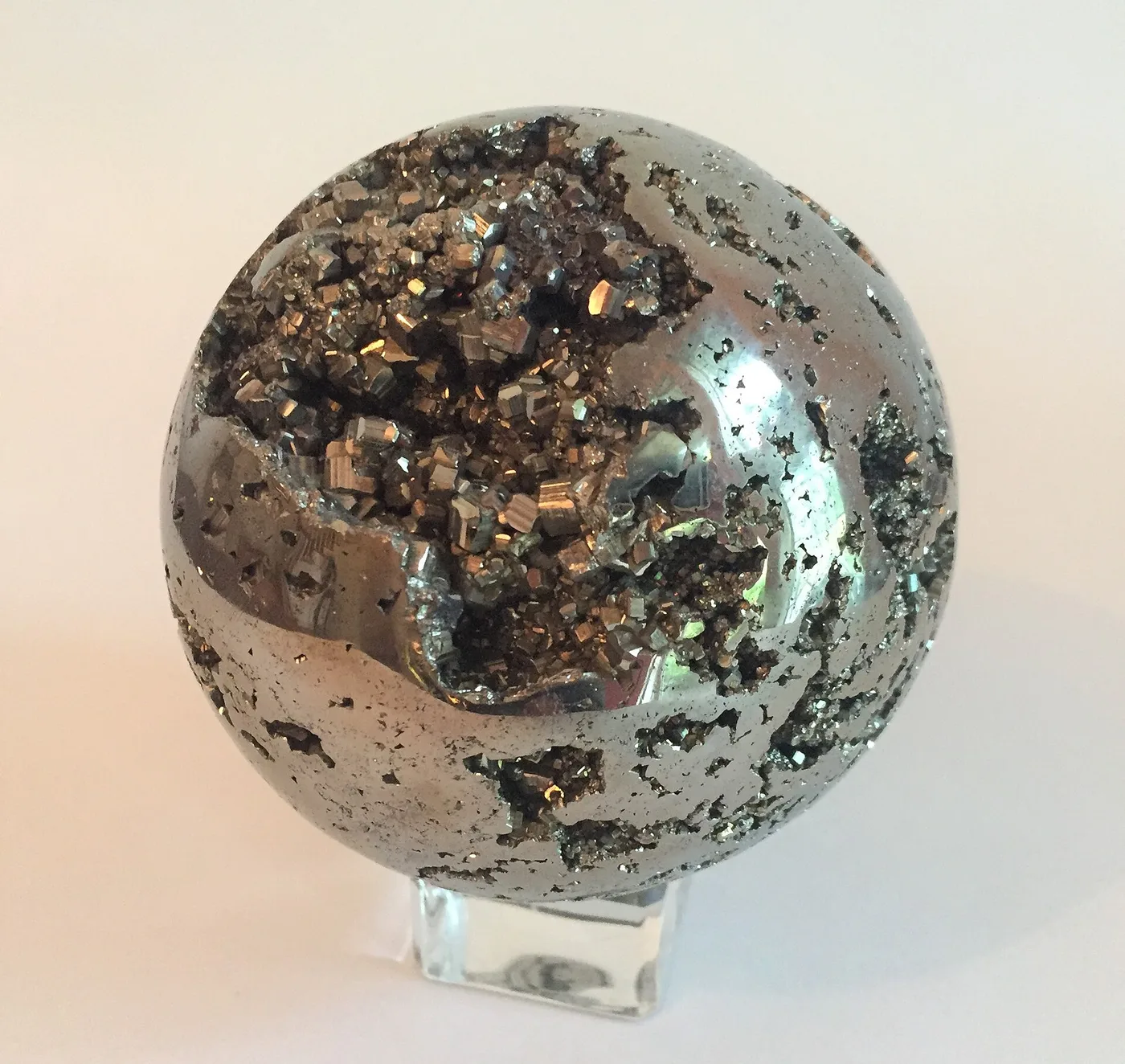
Colour – silver, goldStones with a metallic shine are rare — hematite and pyrite are the ones you actually meet. Pyrite is iron disulfide and in nature often forms cubic crystals whose faces can be almost mirror-like. Its golden tinge earned it the nickname "fool's gold".
The name comes from the Greek "pyr", fire: struck against steel, pyrite throws sparks. That is how it was used to start fires as far back as the Stone Age. Native American peoples treated pyrite as a healing and protective stone, and in some cultures a polished piece served as a mirror.
Prices are easy to read: ordinary polished cubes and beads are cheap, while large flawless crystal clusters cost far more and go to collectors. In jewellery, pyrite usually appears as an accent set beside other stones.
Origins
Pyrite is mined in quantity in Peru, Bolivia, Mexico, Sweden, Romania and the United States. It is one of the most common sulfide minerals and often occurs alongside other ore deposits.
Properties
Pyrite is held to carry the energy of fire and earth, and it is treated as a stone of possibility, potential and strength. It is said to bring persistence and self-confidence, and to help its owner finish what has been started.
Esoteric writers say pyrite adds courage when the matter at hand is protecting other people. That is why tradition recommends it to law enforcement, activists and those in military service. It is also credited with boosting creativity — in art, mathematics, science and architecture.
Traditional healing properties
Pyrite has long been regarded as a stone of health. Lithotherapists use it for colds and viruses, and for problems with skin, speech, circulation and breathing. It is said to support immunity as well.
This describes traditional practice, not medical advice. A stone does not replace a doctor.
Chakras
Pyrite is linked to the first, second and third chakras – muladhara, svadhisthana, manipura.
Zodiac
Tradition ties pyrite to Leo, a sign that suits the golden metallic shine and the open, sunny energy. It also works for Aries and Sagittarius, whose fiery nature matches the stone.
In Charcho jewellery
We do not have a ready-made pyrite piece in the catalogue yet, but we make them to order — you choose the bead size and shade. Catalogue: necklaces.
Real or fake
- Pyrite is not gold. Gold is soft, cuts with a knife and leaves a pale yellow streak; pyrite scratches glass yet is brittle, and its streak is greenish black.
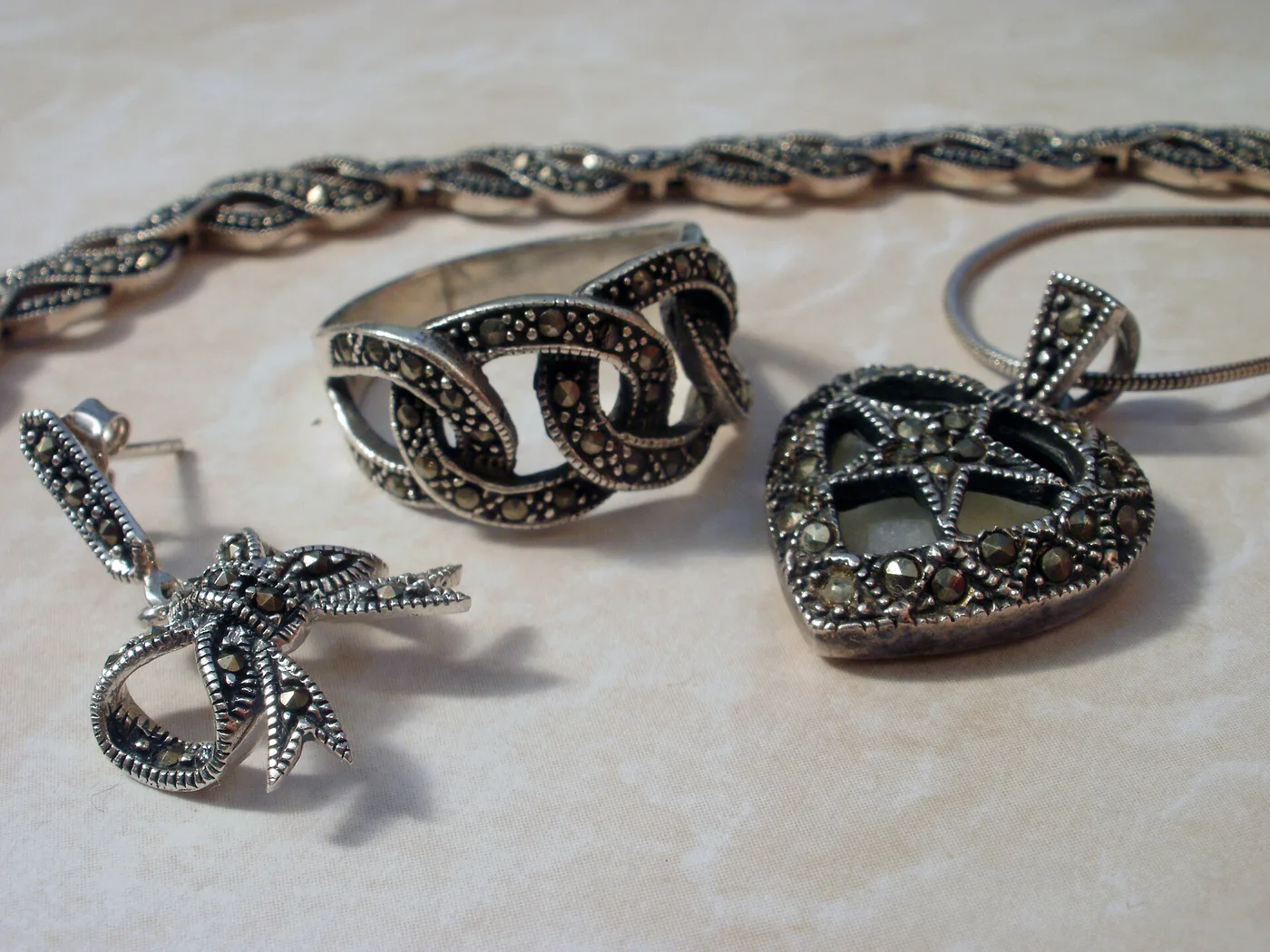
- Pyrite and marcasite share a formula but not a crystal structure. Jewellery sold as "marcasite" is very often pyrite.
- Natural pyrite almost always shows patches of oxidation or fine cracks; a perfectly even golden surface usually means a coating.
Care
Moisture is pyrite's main enemy: water and sweat bring rust to the surface. Take the piece off before washing your hands, never store it wet, and keep a moisture absorber in the box. A dry soft cloth is enough; it needs no ultrasonic or steam.
See also
-
Obsidian
Chemical formula – 70–75% SiO₂ + MgO, Fe₃O₄
Hardness – 5–5.5
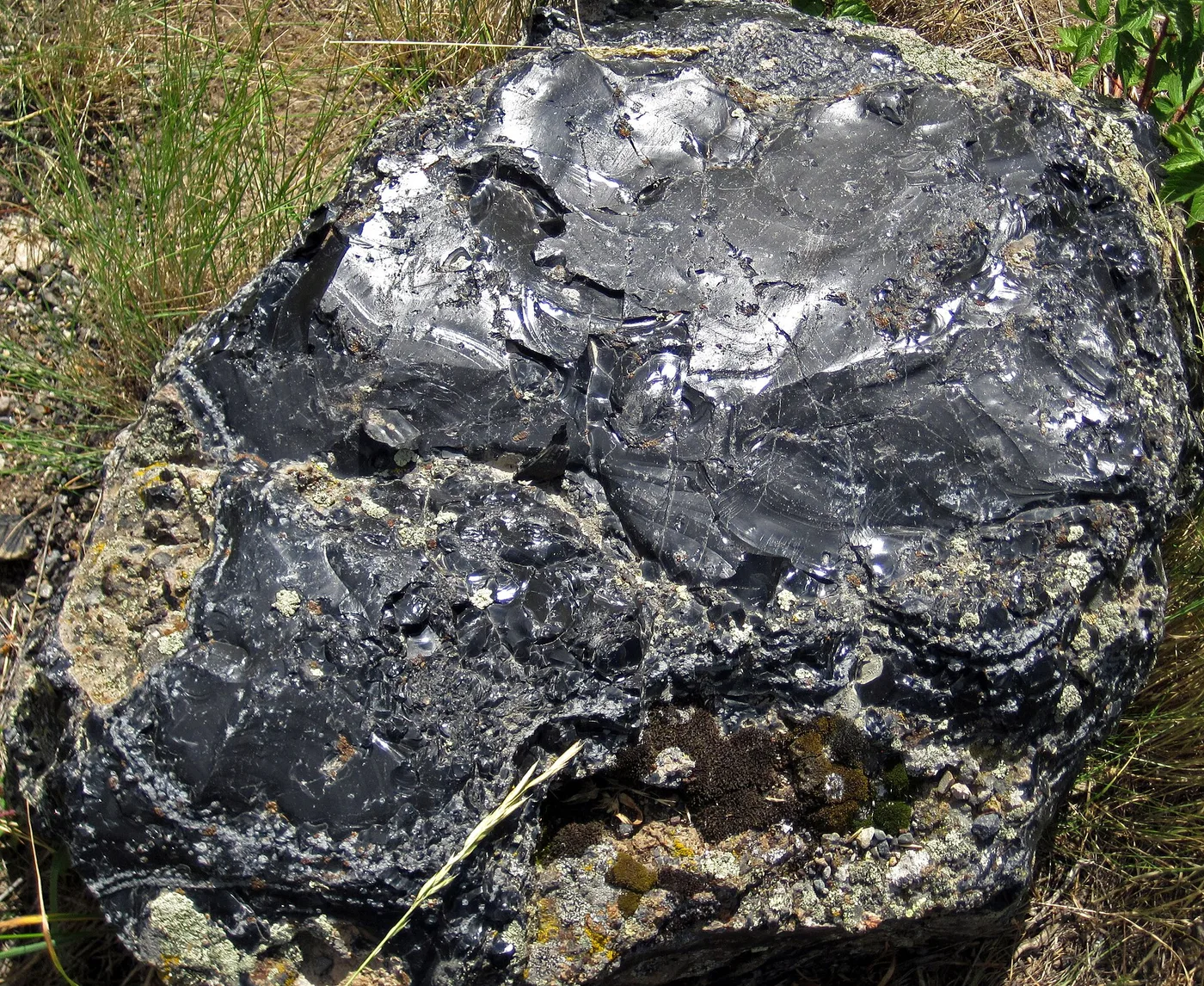
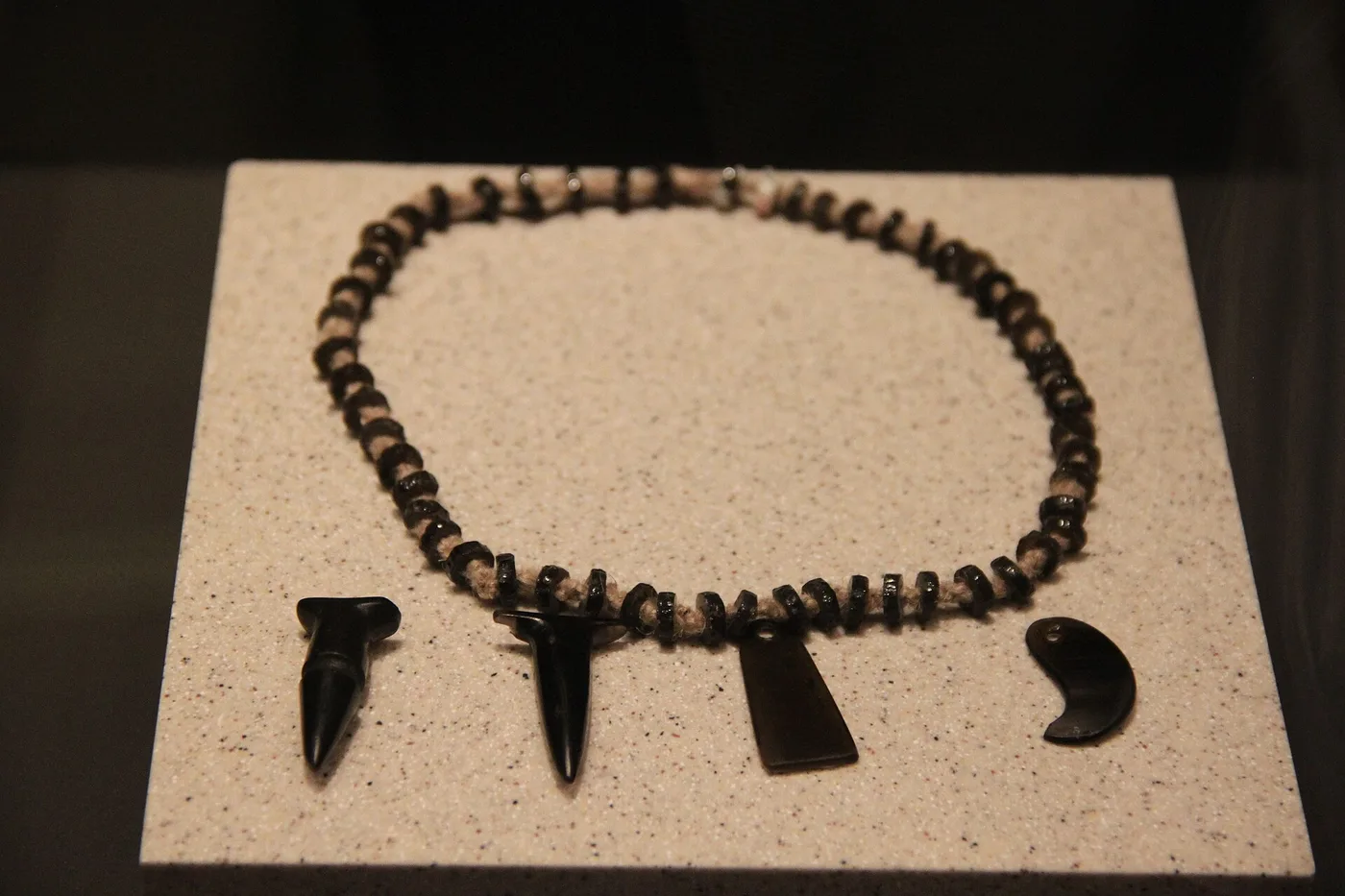
Colour – black, red, snowflake, greenObsidian is volcanic glass, not a crystal: the lava cooled too fast for minerals to build a lattice. That is where its glassy shine and conchoidal fracture come from — it breaks along a smooth, wave-like surface and leaves a razor edge. The same property made it one of humanity's first working materials: Egyptians shaped it into blades, arrowheads and daggers.
The name comes down through Roman tradition, where Pliny credits a man called Obsius with bringing the stone to Rome. In Sakartvelo obsidian was known as "a shard of the sky" and was worked alongside flint from the Palaeolithic onward. The Paravani deposit lies in the Ninotsminda district, where the stone appears in two forms — black with reddish spots, and black with bands.
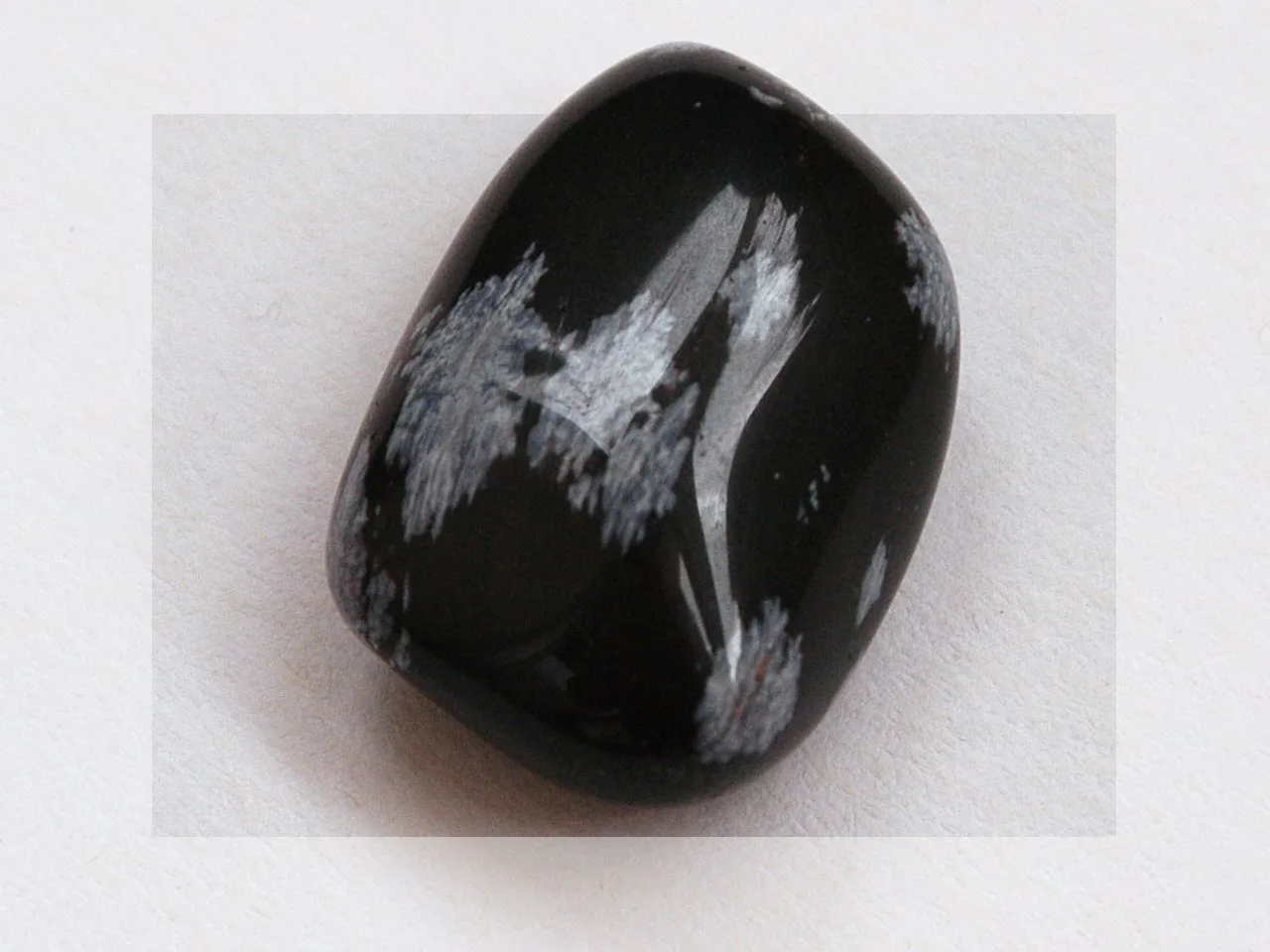
Colour decides the variety. Ordinary black obsidian is cheap and everywhere; snowflake with white crystalline flakes, mahogany with reddish-brown banding and rainbow with a cat's-eye sheen all cost more. Green obsidian is rare and sits well above the rest.
Origins
Obsidian only occurs where there was or still is volcanic activity. Major deposits are found in Argentina, Canada, Chile, Greece, El Salvador, Guatemala, Italy, Japan, Kenya, Armenia, Azerbaijan, Mexico, New Zealand, Peru, Scotland and the United States. Sakartvelo has other volcanic zones besides Paravani.
Properties
Tradition ranks obsidian among the strongest protective stones. It is said to absorb negative energy and to shield its owner from insult, threat, ill will and pressure. The stone is thought to be particularly useful when a relationship or partnership is ending and a calm separation is needed.
Esoteric writers call obsidian a mirror of truth: it is said to show a person their shadow side and to leave no room for self-deception. That is why it is recommended in moderation, and only briefly during emotionally heavy periods.
Traditional healing properties
Lithotherapists link obsidian with kidney function, blood pressure and immunity. It is said to help with liver problems and excess weight. The snowflake variety is credited with a gentler effect on skin, bones and joints.
This describes traditional practice, not medical advice. A stone does not replace a doctor.
Chakras
Black, red and snowflake obsidian are linked to the first, root chakra – muladhara. Rainbow obsidian is read by its colours but is usually placed at the same chakra. Green obsidian belongs to the fourth, heart chakra.
Zodiac
Tradition ties obsidian to Scorpio, a sign that carries depth and a protective instinct by nature. It also suits Capricorn and Aries, whose character matches the stone's hardness and earthbound weight.
In Charcho jewellery
We do not have a ready-made obsidian piece in the catalogue yet, but we make them to order — you choose the bead size and shade. Catalogue: necklaces.
Real or fake
- Obsidian's name is often used for black glass or industrial slag. A natural stone shows fine air bubbles, mineral inclusions and uneven bands of colour.
- Obsidian differs from black tourmaline and onyx by its shine: it reflects light like glass and breaks with a conchoidal surface, while those two are crystalline minerals.
- The "snowflakes" in snowflake obsidian are natural cristobalite inclusions sitting inside the stone; a pattern printed or painted on glass stays on the surface.
Care
Hardness 5–5.5 means the stone is soft, so a ring picks up scratches quickly. Warm water, a soft cloth and mild soap are enough; it needs no abrasives, steam or ultrasonic cleaning. Keep it away from drops and sharp knocks.
See also
-
Onyx
Chemical formula – SiO₂
Hardness – 6.5–7
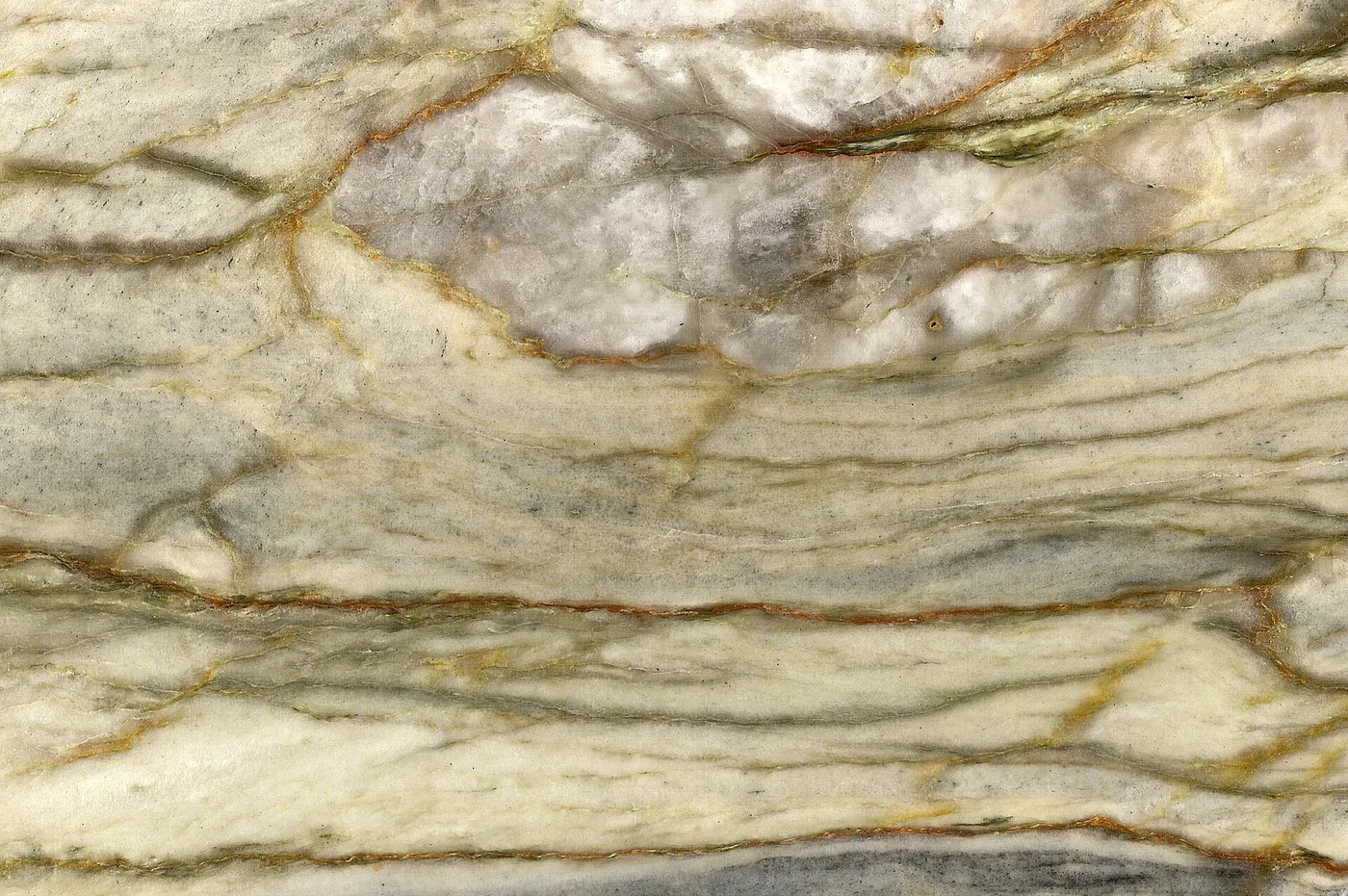
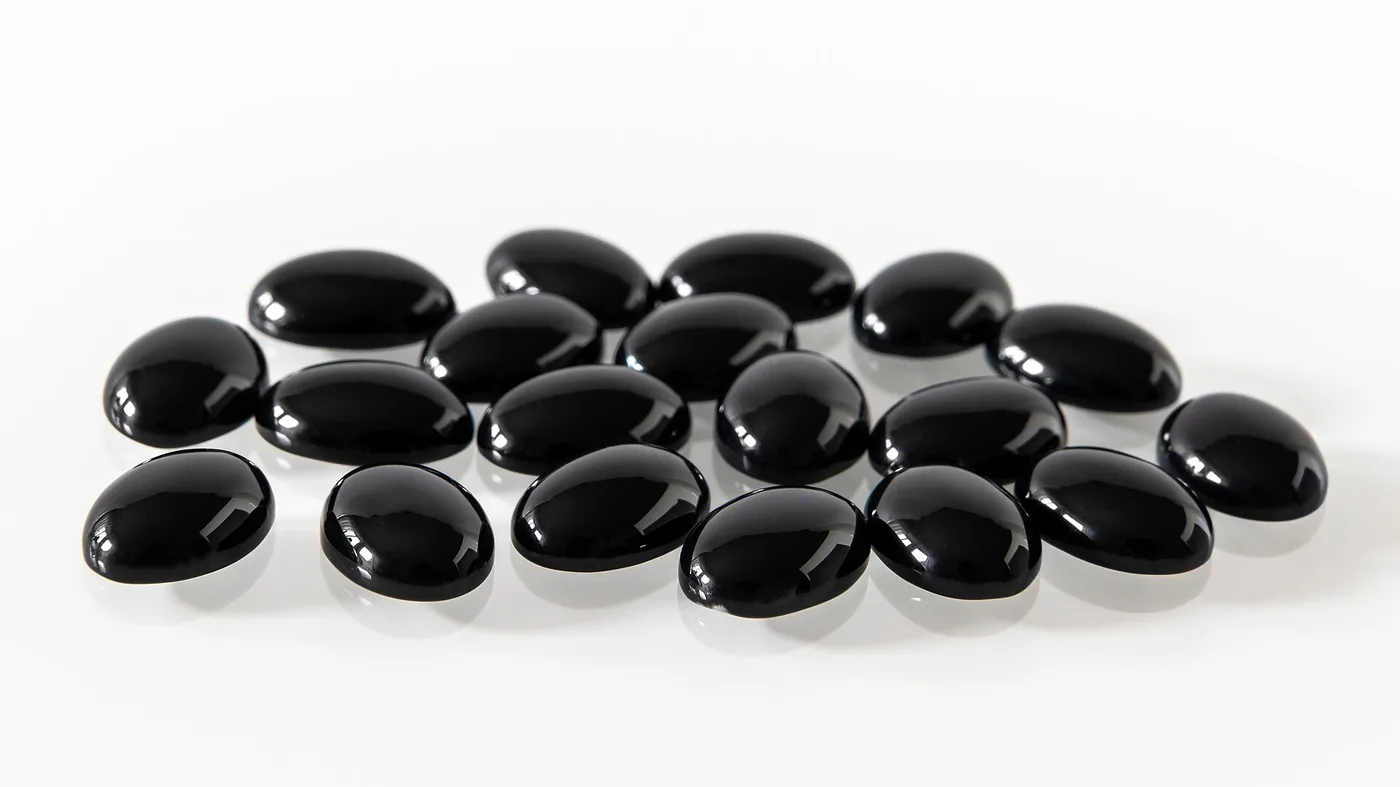
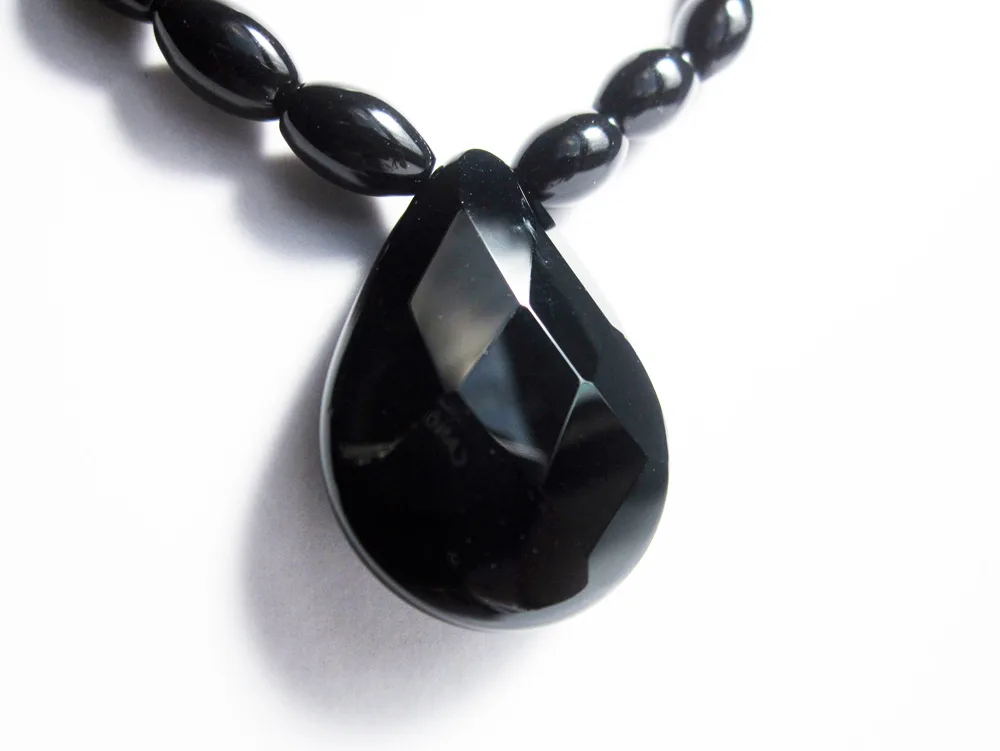
Colour – black, white, brown, yellowOnyx is a banded stone of the chalcedony family — in effect one variety of agate, but with straight, parallel bands instead of concentric rings. The best-known kinds are black and white; there is also sardonyx with brownish-red bands, and a yellowish onyx that mostly goes into wall and floor cladding.
The name comes from the Greek "onux", a fingernail: polished onyx shines like a nail. In the Georgian Bible it appears as "anukioni" and "onikito". Archaeology in Sakartvelo has yielded onyx seals, beads and amulets, and an eighteenth-century document records that Akhmed-Pasha Khimshiashvili ran an onyx mine on Mount Arsiani and exported the stone.
On the market, black onyx is almost always dyed chalcedony — natural blackness of that kind is rare. White onyx is more often natural, and cheaper.
Origins
Onyx is mined in Argentina, Australia, Brazil, India, Botswana, Madagascar, Mexico, Pakistan, Uruguay and the United States.
Properties
Onyx belongs to the root chakra, so tradition holds that it brings steadiness and courage into a life. The stone is said to stoke energy and drive, and it counts among the strongest protective stones.
Since ancient times onyx has been treated as a stone of self-control: wearing it, they say, makes a person more focused and collected. In various cultures an onyx amulet was credited with protection from an early death, which is why people in dangerous jobs often wear one.
Traditional healing properties
Lithotherapists use onyx to strengthen bones and joints. It is said to help those with problems of movement or excess weight.
This describes traditional practice, not medical advice. A stone does not replace a doctor.
Chakras
Black onyx is linked to the first, root chakra – muladhara. White onyx belongs to the seventh, crown chakra – sahasrara.
Zodiac
Tradition ties onyx to Leo, a sign for which self-control and inner steadiness come naturally. It also suits Capricorn, whose character matches the stone's severity and sense of order.
In Charcho jewellery
We do not have a ready-made onyx piece in the catalogue yet, but we make them to order — you choose the bead size and shade. Catalogue: necklaces.
 Agate

Have an idea? We will make it.
Write or call us - together we will choose the material, colour and size, and make the piece to order.